 how-to
Emergency locksmith cost: What to expect in 2026
Table of Contents
- What determines emergency locksmith cost?
- Understanding the emergency locksmith call-out fee
- Out-of-hours locksmith charges: nights, weekends and holidays
- Locksmith cost to unlock a door: labour and access methods
- Additional costs: lock replacement and repairs
- How to avoid locksmith scams and unfair pricing
- Getting a fair quote and what to ask before booking
- Frequently Asked Questions
Last Updated: 17 October 2026
What determines emergency locksmith cost?
The price you pay for an emergency locksmith depends on several key factors. Understanding what drives these costs helps you budget properly and spot unfair pricing before you book.
The most important factor is when you need the service. A locksmith arriving at 2 PM on a Tuesday costs far less than one arriving at 2 AM on a Sunday. Time of day, day of the week, and whether it's a bank holiday all affect the final bill.
The type of lock and access method matters too. A simple pin tumbler lock on a wooden door is quicker to open than a modern security lock or a reinforced commercial door. The locksmith's approach, picking the lock, bumping it, or drilling it out, changes the labour time and complexity.
Your location also influences cost. Rural areas often carry higher charges because locksmiths travel further. Urban areas may have more competition, which can push prices down.
Whether you need additional work beyond the unlock shapes the total. If the lock is damaged and needs replacement, or if you want new locks fitted during the same visit, expect higher costs. A simple unlock is cheaper than an unlock plus a full lock replacement.
Key factors affecting emergency locksmith cost:
- Time of day (nights and weekends cost more)
- Day of the week (weekdays are usually cheaper than weekends)
- Bank holidays (premium rates apply)
- Lock type and security level
- Access method required
- Distance the locksmith travels
- Additional repairs or replacements needed
- Whether the lock is damaged or just stuck
At WS Locksmiths, we're transparent about what affects pricing.
Understanding the emergency locksmith call-out fee
Every locksmith charges a call-out fee just for showing up. This covers the cost of sending a trained professional to your location, their travel time, and their vehicle.
The call-out fee is separate from labour costs. It's charged whether the job takes 10 minutes or an hour. This fee exists because the locksmith is reserving their time for you and committing to a specific location.
Call-out fees vary based on when you call. A daytime call-out during business hours costs less than a midnight call-out. The locksmith's availability, fuel costs, and the distance they travel all factor in.
Some locksmiths bundle the call-out fee into the total quote. Others list it separately so you see exactly what you're paying for. Either way, you're paying for that initial visit.
What's included in a call-out fee:
- Arrival of a trained locksmith
- Initial assessment of your lock and door
- Travel time and fuel costs
- Vehicle dispatch and coordination
- Professional diagnosis of the problem
The call-out fee is non-refundable if you decide not to proceed, though many locksmiths credit it toward the final cost if you go ahead with the work.
Out-of-hours locksmith charges: nights, weekends and holidays
Out-of-hours work commands a premium. When you need a locksmith outside normal business hours, you're paying for their inconvenience and the cost of their availability.
Nights typically cost 50-100% more than daytime rates. A locksmith who could be sleeping is instead on call for you. Weekend rates follow the same logic. Saturday and Sunday work costs significantly more than Monday through Friday.
Bank holidays carry the highest premiums. Christmas Day, Boxing Day, New Year's Day, and other statutory holidays mean the locksmith is sacrificing time with family or giving up a day off. Expect rates to double or even triple on these days.
The later the call, the higher the charge. A 10 PM call costs less than a 3 AM call. This reflects the genuine disruption to the locksmith's schedule.
Out-of-hours rate multipliers (typical):
- Evening (6 PM-10 PM): 20-40% surcharge
- Night (10 PM-6 AM): 50-100% surcharge
- Weekends: 25-50% surcharge
- Bank holidays: 100-200% surcharge
These are industry norms, not fixed rules. Every locksmith sets their own rates. Some may charge more, others less, depending on demand in your area and their business model.
If you can wait until business hours, you'll save money. But if you're locked out at midnight on a Sunday, you don't have that choice, and you'll pay accordingly.
Locksmith cost to unlock a door: labour and access methods
Once the locksmith arrives, they charge for the actual work of opening your door. This labour cost depends on how long the job takes and which method they use.
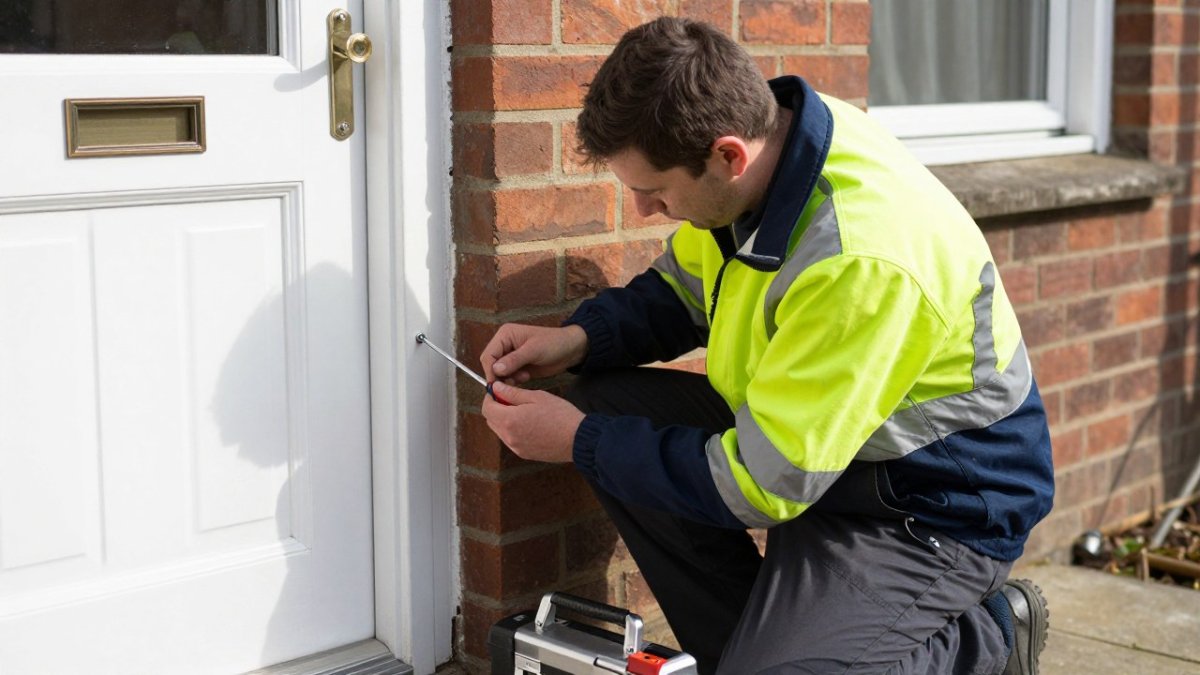
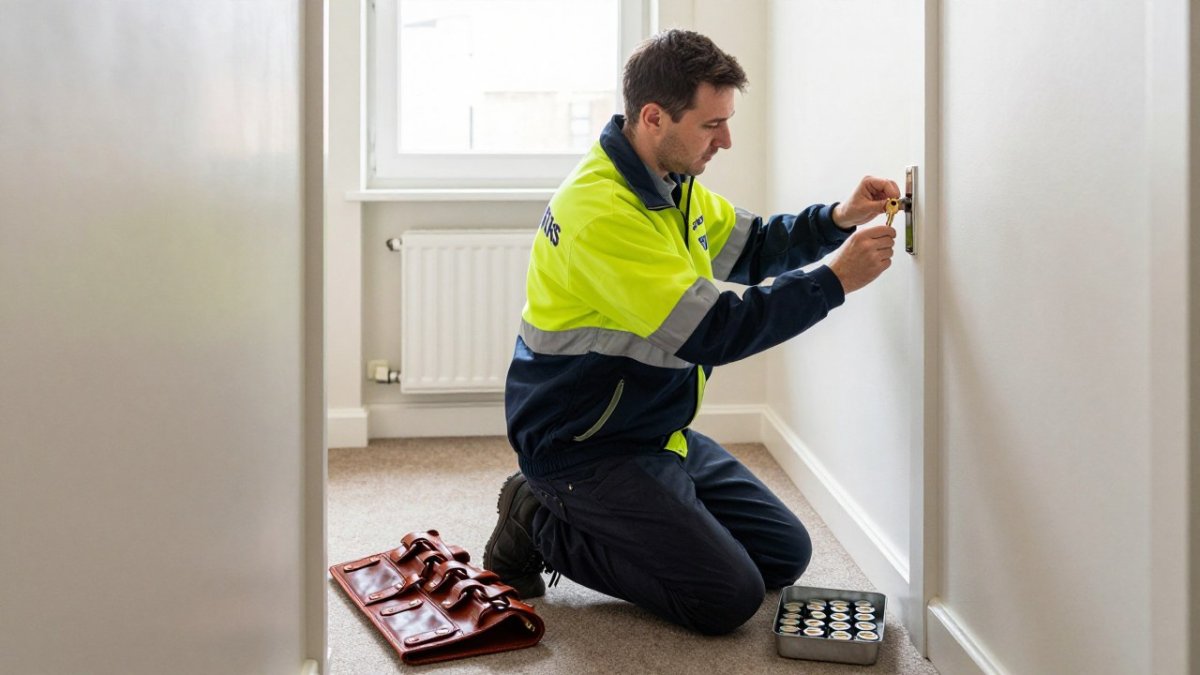
Picking the lock is the fastest method. A skilled locksmith can pick many locks in minutes. This is the cheapest labour option because it's quick and causes no damage.
Lock bumping is another non-destructive method. It's faster than picking for some locks but slower for others. Labour time varies based on lock type.
Drilling out the lock is the most time-consuming and expensive method. It destroys the lock, so you'll need a replacement. The locksmith must drill through the lock mechanism carefully to avoid damaging the door frame. This takes longer and requires more skill.
The lock type determines which methods work. A modern anti-snap lock resists bumping and picking, so drilling may be the only option. Older locks may open with a pick in seconds.
Labour costs by access method:
- Lock picking: fastest, cheapest labour
- Lock bumping: medium speed and cost
- Drilling: slowest, most expensive labour
- Destructive methods: require lock replacement
WS Locksmiths uses the least destructive method possible. Drilling is a last resort.
Additional costs: lock replacement and repairs
If your lock is damaged, broken, or you want to upgrade to a better lock, you'll pay extra. Lock replacement is the biggest add-on cost after the unlock labour.
Lock replacement costs depend on the lock type. A basic pin tumbler lock costs less than a high-security anti-snap lock. Commercial locks cost more than residential ones. The locksmith also charges labour to remove the old lock and install the new one.
Lock repairs are sometimes cheaper than replacement. If the lock is jammed but not broken, cleaning and lubricating it may fix the problem. This costs far less than buying a new lock.
Call us 24/7: +44 77321 89721 →
Upgrading to security locks is an investment. Anti-snap locks, anti-bump locks, and British Standard locks cost more than standard locks. But they provide better protection, especially if you've had a break-in or you live in a high-crime area.
Multiple locks increase the bill. If you're locked out of your front door and your back door, you'll pay for two unlocks plus any replacements. Property managers often need work on several properties, which multiplies costs.
Lock-related costs:
After a break-in, many people ask about upgrading their locks. This is wise. Better locks deter burglars and give you peace of mind.
How to avoid locksmith scams and unfair pricing
Dishonest locksmiths exploit emergencies. When you're locked out and stressed, you're vulnerable to inflated quotes and hidden charges.
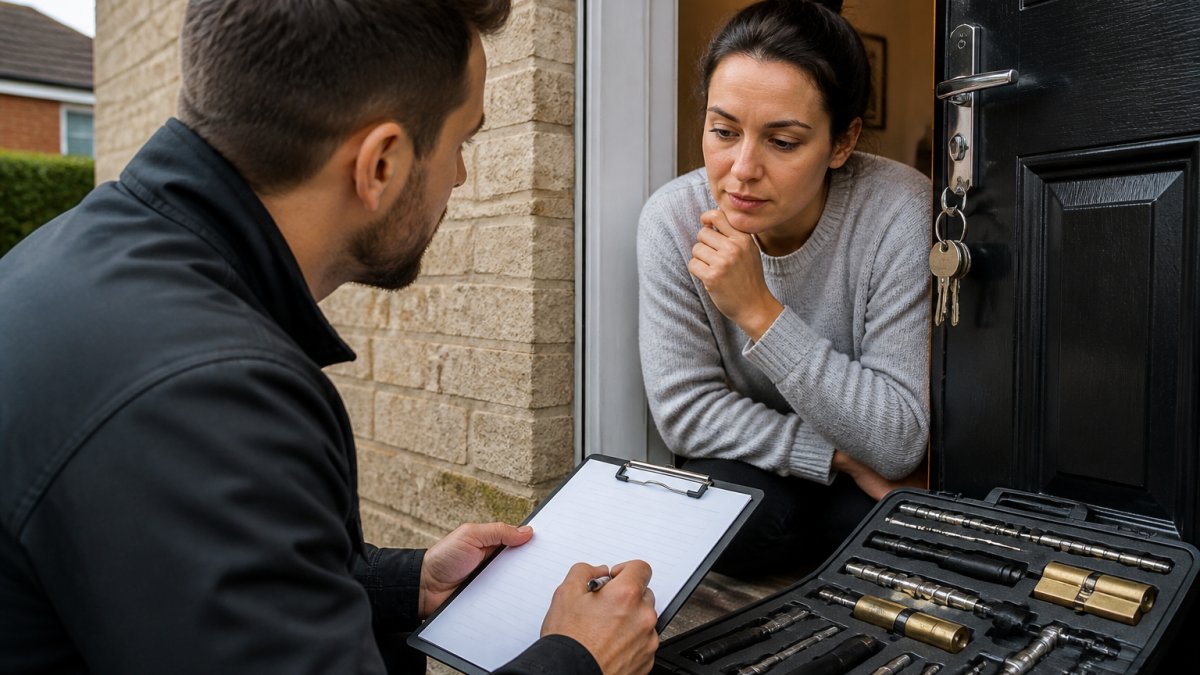
Get a quote before work starts. A reputable locksmith gives you a price before they touch your lock. If they refuse to quote, find another locksmith. Never agree to work without knowing the cost.
Ask for a breakdown. The quote should list the call-out fee, labour cost, and any materials separately. If the locksmith gives a single lump sum with no detail, ask for specifics. Transparency is a sign of honesty.
Check they're fully trained and vetted. Rogue traders undercut legitimate locksmiths by cutting corners. Ask for proof of training, insurance, and professional membership. A legitimate locksmith carries credentials.
Verify the quote matches the job. If the locksmith said picking the lock would cost £80 but then drills it and charges £300, that's a scam. Ask why the method changed and whether the new price was agreed.
Avoid locksmiths who arrive with no uniform or van branding. Professional locksmiths are identifiable. They carry proper tools, wear uniforms or identification, and drive marked vehicles. Cash-only operators and those who won't provide a receipt are red flags.
Use established local locksmiths. A locksmith with a local reputation has something to lose if they cheat you. They rely on word-of-mouth and reviews. New or anonymous operators have no accountability.
Red flags in locksmith pricing:
- No quote given before work starts
- Refusal to explain the breakdown
- Sudden price increase mid-job
- Pressure to pay cash only
- No receipt or invoice provided
- Unlicensed or unvetted staff
- Aggressive upselling of unnecessary locks
WS Locksmiths operates transparently. Our fully trained and vetted locksmiths are accountable to the local community.
Getting a fair quote and what to ask before booking
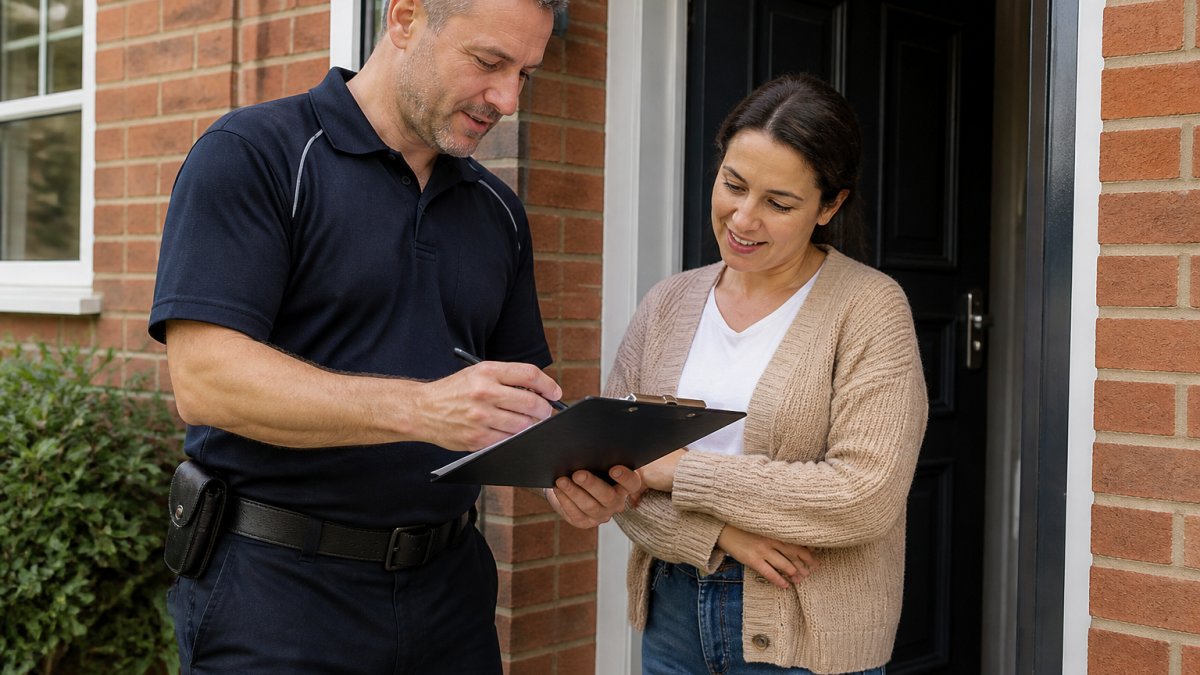
Before you book any locksmith, ask the right questions. A good locksmith answers them honestly and quickly.
Ask what's included in the quote. Does it cover the call-out fee, labour, and materials? Are there any hidden charges? A clear quote prevents surprises.
Ask how long they'll take to arrive. Emergency response times matter. If you're locked out in the cold, a 15-minute arrival beats a 2-hour wait. Ask what "24/7 availability" actually means, can they genuinely arrive at 3 AM, or do they have limited night coverage?
Ask what methods they'll use. Will they pick the lock, or drill it? Picking is cheaper and non-destructive. Drilling requires lock replacement. Knowing the method helps you understand the final cost.
Ask if they're fully trained and vetted. Legitimate locksmiths have training credentials and professional insurance. They're happy to confirm this. Rogue traders avoid the question.
Ask about their cancellation policy. If you decide not to proceed after the quote, do you pay the call-out fee? Can you cancel if they're running late? Clear terms protect you.
Ask for a written quote. Never rely on a verbal quote. Get it in writing so you have proof if the final bill differs. A written quote also shows professionalism.
Questions to ask before booking:
- What's included in your quote?
- How quickly can you arrive?
- What method will you use to open the lock?
- Are you fully trained and insured?
- What's your cancellation policy?
- Can you provide a written quote?
- Do you offer a receipt and invoice?
- What payment methods do you accept?
Asking these questions filters out dishonest operators. A locksmith who answers clearly and confidently is someone you can trust. One who gets defensive or vague is a warning sign.
Being locked out is stressful, but knowing what to expect from an emergency locksmith cost makes the situation manageable. Call-out fees, labour charges, and additional costs for lock replacement add up, but they're justified by the skill and speed a professional brings.
The key is choosing a locksmith you can trust. WS Locksmiths is available 24/7 to help. Call us on +44 77321 89721 for professional service you can rely on.
Frequently Asked Questions
How much does an emergency locksmith cost in the UK?
Emergency locksmith costs depend on several factors: the time of day, your location, the type of lock, and whether replacement is needed. Call-out fees typically cover the locksmith's travel and initial assessment. Labour charges then depend on the complexity of unlocking or repair work required. For an accurate quote specific to your situation, contact your local locksmith directly, most can provide estimates over the phone once you describe the issue.
Do emergency locksmiths charge a call-out fee?
Yes, most emergency locksmiths charge a call-out fee to cover their travel, time, and availability, especially for out-of-hours visits. This fee is typically separate from the labour cost to unlock your door or repair your lock. The call-out fee ensures locksmiths can respond quickly to urgent requests. Always ask what the call-out fee includes and whether it will be credited towards the final bill if you proceed with additional work.
Does it cost more to call a locksmith at night or at the weekend?
Yes. Out-of-hours locksmith charges are significantly higher for evening, night-time, and weekend calls because locksmiths work outside standard business hours. Rates typically increase further on bank holidays and during festive periods. If your lockout isn't urgent, waiting until business hours can reduce costs substantially. However, for genuine emergencies, locked out of your home in the middle of the night, the premium reflects the inconvenience and availability of 24/7 service.
How can I avoid locksmith scams?
Request a quote before work begins and confirm it in writing. Choose locksmiths who are fully trained, vetted, and insured, ask for proof. Avoid anyone who quotes significantly below market rates or pressures you to pay upfront. Check that the locksmith provides an invoice with itemised charges. Never accept dramatic price increases mid-job. Ask questions about their experience and qualifications before they arrive, and trust your instincts about whether they seem legitimate and professional.