 how-to
Do You Have to Pay a Locksmith Straight Away? UK Guide
Table of Contents
- When Payment Is Expected After a Locksmith Call-Out
- Emergency Locksmith Call-Out Fees and What They Cover
- What to Ask a Locksmith Before They Arrive
- Locksmith Payment Methods Accepted on Site
- What Happens If You Cannot Pay Straight Away
- How to Protect Yourself From Unexpected Charges
- Conclusion
- Frequently Asked Questions
Last Updated: September 16, 2026
When Payment Is Expected After a Locksmith Call-Out
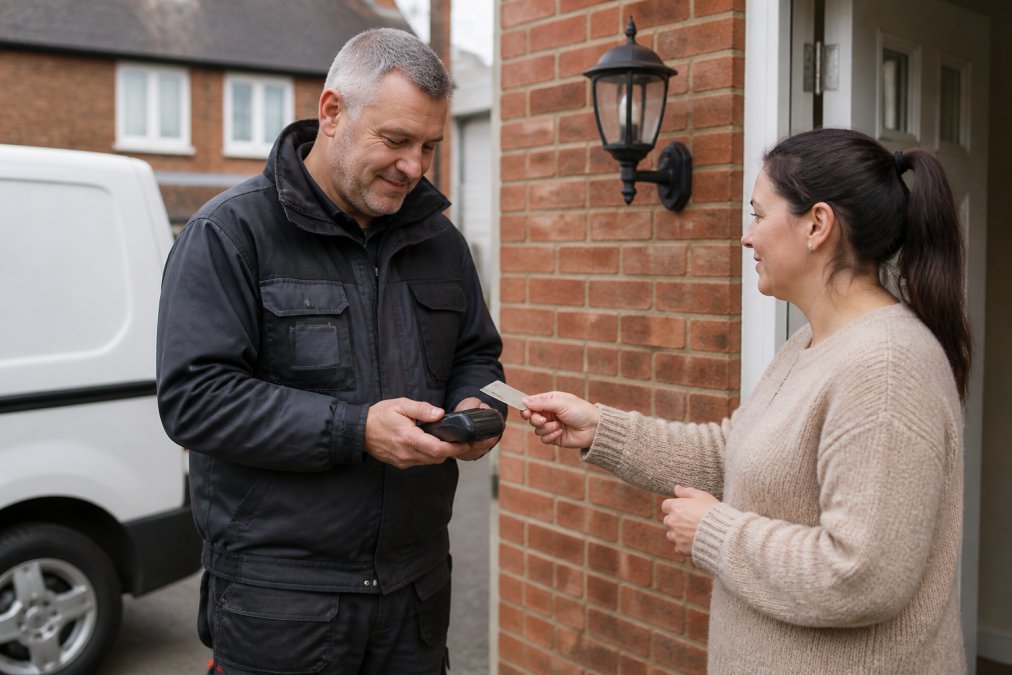
Most locksmiths expect payment once the job is finished, before the locksmith leaves your property. This is standard practice across the trade. A call-out is a completed piece of work, not a subscription, and there is no invoicing cycle behind it.
That answer surprises people who assume a bill will follow in the post. It rarely does. If you are asking "do you have to pay a locksmith straight away?", the honest answer is: in most cases, yes, and the payment happens at the door.
At WS Locksmiths, we confirm the payment position before we set off, so nobody is caught short at 2am with no way to settle. Below, we explain why the trade works this way, what an emergency call-out fee actually covers, and what to do if money is genuinely tight when the van pulls up.
Why Most Locksmith Jobs Are Settled on Completion
Payment on completion exists because of how the work is structured. A locksmith arrives, gains entry or replaces a cylinder, and the job is closed on the spot. There is no ongoing relationship to bill against and no account to chase.
Many businesses find that on-site settlement also protects the customer. You see the lock turn before you hand over anything. If the door still will not open, you have not paid for a failed job.
The practical upshot: treat a locksmith call-out like a taxi ride, not a trades invoice. Budget for it before you dial.
Emergency Locksmith Call-Out Fees and What They Cover
An emergency call-out fee is the charge for attending your property outside normal hours, and it usually sits on top of the cost of the work itself. The fee covers the locksmith's time, travel, and the fact that they are on standby when most people are asleep.
What the fee is not is a fixed national rate. Pricing depends on the time of day, the distance involved, and the complexity of the entry. That is why a reputable locksmith quotes before attending rather than after.
What Pushes an Emergency Call-Out Fee Up
Several factors move the number, and most of them are outside your control once you have called.
- Time of day: Late nights, weekends, and public holidays sit at the top of the range.
- Travel distance: A rural address costs more to reach than a town-centre flat.
- Access difficulty: A snapped cylinder or a deadlocked door takes longer than a simple latch slip.
- Parts required: A replacement cylinder or handle adds to the labour.
- Property type: Commercial doors and multi-point locking systems take more time than a standard domestic lock.
The last point catches people out. A job that looks identical from the outside can double in time once the locksmith sees the mechanism.
What to Ask a Locksmith Before They Arrive
Ask four things before you agree to anything: the call-out fee, the likely total cost, whether the price is fixed or an estimate, and how you can pay. Get the answers before the van is dispatched, not at your front door.
This is the single most useful habit you can build. A locksmith who will not give a figure over the phone, or who dodges the question, is telling you something.
Here is a short script you can use:
"Before you come out, can you confirm: (1) the call-out fee, (2) whether that includes the first hour of work, (3) whether the price is fixed or could change once you see the lock, and (4) what payment methods you take on site?"
Write down the name of the person you spoke to and the figure they quoted. If the number changes on arrival without a clear reason, you have grounds to push back.
Locksmith Payment Methods Accepted on Site
Most locksmiths accept card payments on site, alongside cash and bank transfer. Card is now the default for emergency work because it removes the need to find a cashpoint at midnight.
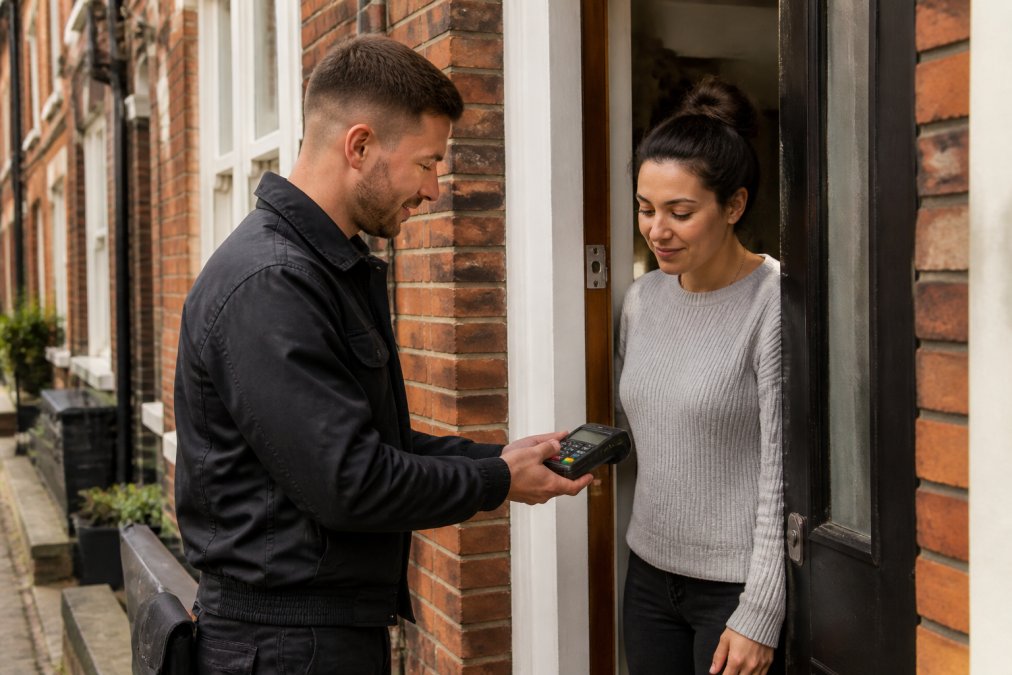
Ask which methods are accepted when you book. Some providers carry a card reader but prefer bank transfer for larger jobs, and a few still work cash-only. Knowing in advance saves an awkward doorstep conversation.
Call us 24/7: +44 77321 89721 →
If you are paying by bank transfer, do it before the locksmith leaves and show them the confirmation. Do not promise to send it later. That is exactly the situation the next section deals with.
What Happens If You Cannot Pay Straight Away
Speak to the locksmith before the work starts, not after. Most will work with you on a genuine problem, but almost none will unlock a door and then wait days for payment from a stranger.
Options that sometimes exist:
- Partial payment on the day, with the balance by transfer once you are paid.
- A card payment split across two cards if a single limit is too low.
- A quick transfer from a partner or family member while the locksmith is still on site.
What does not work is refusing to pay for completed work. In England and Wales, a locksmith who has done the job you agreed to can pursue the debt through the small claims process, and the cost of doing so is added to what you owe.
If you genuinely cannot pay, be upfront at the booking stage. A locksmith who knows the situation in advance can tell you whether they can help. One who finds out at the door has already spent the fuel and the hour.
How to Protect Yourself From Unexpected Charges
Protection starts before the call, not after it. The single best safeguard is a confirmed price before attendance, followed by a receipt that itemises the call-out fee and the parts used.
A few habits that keep you safe:
- Confirm the total, not just the call-out fee. The fee is rarely the whole bill.
- Ask for identification. A legitimate locksmith will show credentials without hesitation.
- Request an itemised receipt. It should list the call-out, labour, and any parts.
- Never sign a blank job sheet. Read what you are signing, even at 3am.
- Check the business exists. A registered company name and a landline or business mobile are basic signals.
For consumer rights around services and what you are entitled to when work is not done with reasonable care, the Citizens Advice guidance on services and tradespeople is a sensible starting point. If a dispute escalates, the GOV.UK guidance on making a small claim sets out the process.
A locksmith who is fully trained and vetted, like the team at WS Locksmiths, will have no issue with any of this. The ones who object are usually the ones with something to hide.
Conclusion
The question of whether you pay a locksmith straight away comes down to one thing: the job is finished when the door opens, so the payment is expected then. That is normal, and it is fair to both sides as long as the price was agreed first.
The friction only appears when the price was never confirmed, the payment method was never discussed, or the customer assumed a bill would follow. All three are avoidable with a two-minute conversation before the van is dispatched.
If you are locked out and want a straight answer on cost before anyone sets off, call WS Locksmiths on +44 77321 89721. We are available 24/7, including weekends and holidays, we confirm the price before we travel, and every locksmith we send is fully trained and vetted. Get started with WS Locksmiths and know exactly what you are paying before the door opens.
Frequently Asked Questions
Is it standard practice to pay a locksmith immediately after the job?
Yes, in most cases. Locksmiths typically ask for payment once the work is finished and you have checked the result, whether that is a door opened, a lock replaced, or a repair completed. Because the service is carried out on site and the locksmith leaves straight afterwards, settling on completion is the norm. If you need different terms, such as an invoice for a business property, agree this before work begins rather than after.
Do emergency locksmiths accept card payments on site?
Many do, but not all, so it is worth asking when you call. Card readers need a signal and a charged battery, and some locksmiths still prefer bank transfer or cash. When you ring, confirm which payment methods are accepted and whether there is a minimum card amount. That single question prevents the awkward moment of being locked out with no way to pay at 2am.
What happens if I cannot pay the locksmith straight away?
Speak to the locksmith before they start work, not after. Some will agree to a bank transfer the next working day or an invoice for regular commercial clients. Others will not, and you need to know that upfront. If you cannot reach an agreement, the locksmith may decline the job, which leaves you still locked out. Raising it early gives you both options.
Should I ask for a quote before the locksmith starts work?
Always. Ask for the call-out fee, the expected cost of the work, and whether VAT is included. A reputable locksmith will give you a figure or a clear range before starting. If the price changes once they arrive, ask why before they proceed. Getting the quote confirmed by text or email gives you a record if the final bill does not match what you were told.