 how-to
How to Verify Locksmith Credentials: A 2026 Guide
Table of Contents
- Why Verifying Locksmith Credentials Matters
- Check Master Locksmiths Association Membership
- Confirm Your Locksmith Has DBS Clearance
- How to Spot a Rogue Locksmith Before You Hire
- Request and Review Professional Qualifications
- Ask the Right Questions When You Call
- Verify Credentials Before Work Begins
- Frequently Asked Questions
Last Updated: 27 September 2026
Why Verifying Locksmith Credentials Matters
A rogue locksmith can damage your property, steal from you, or leave your home less secure than before. That's why how to verify locksmith credentials is one of the most important steps you'll take when you need emergency help.
When you're locked out at 2 AM or facing a break-in, the pressure to act fast is real. But hiring the wrong person costs more in the long run. Damaged locks, inflated bills, and security gaps can turn an emergency into a disaster.
At WS Locksmiths, we understand the concerns of homeowners and business owners who've had bad experiences with unvetted locksmiths. The good news? Checking credentials takes less than five minutes. It protects you, your property, and your peace of mind.
Check Master Locksmiths Association Membership
The Master Locksmiths Association (MLA) is the primary trade body for professional locksmiths across the UK (About Us). Membership means the locksmith has met strict standards for training, conduct, and insurance.
To verify membership:
- Visit the MLA website and use their member directory search
- Enter the company name or postcode
- Confirm the business appears on the active member list
- Check the membership status is current (not expired or suspended)
A legitimate locksmith will be happy to provide their MLA membership number. If they hesitate or can't provide it, that's a red flag. MLA members must carry public liability insurance, which protects you if something goes wrong during the job.
Confirm Your Locksmith Has DBS Clearance
DBS (Disclosure and Barring Service) clearance is essential for locksmiths who work in homes. It shows they've passed a background check and are safe to enter your property.
Why this matters: A locksmith with access to your home could be a theft or security risk if they haven't been vetted. DBS clearance proves they've been screened.
What to ask:
- "Do you have DBS clearance?"
- "Can you provide your DBS certificate number?"
- "When was your DBS last renewed?"
If a locksmith says they have clearance but can't provide a certificate number or date, they're either lying or their clearance has expired.
Professional locksmiths expect this question. They know you're being sensible. If someone gets defensive about DBS checks, find someone else.
How to Spot a Rogue Locksmith Before You Hire
Rogue locksmiths often use high-pressure tactics and vague pricing. Here's what to watch for:
Red flags to avoid:
- No clear pricing quoted over the phone
- Pressure to pay cash only
- No mention of insurance or qualifications
- Unwilling to discuss credentials
- Extremely low prices that seem unrealistic
- No landline number, only mobile
- Reluctance to provide a name or company details
What legitimate locksmiths do:
- Give honest time estimates for arrival
- Quote a clear price range before starting work
- Explain what they'll do and why
- Show credentials without being asked
- Provide receipts and invoices
- Have professional contact details
A common tactic from rogue operators: they quote a low price over the phone, then claim the job is more complicated once they arrive. Suddenly the bill is three times higher. By then, you're locked out and desperate.
Request and Review Professional Qualifications
Beyond MLA membership and DBS clearance, ask about specific qualifications. Professional locksmiths often hold:
- NVQ Level 2 or 3 in Locksmithing
- City & Guilds qualifications in security or locksmithing
- Training in anti-snap lock installation
- Specialist certifications for high-security locks
Ask the locksmith directly: "What qualifications do you hold?" A trained professional will list them confidently. They may even email copies before arriving.
Why it matters: Qualifications show the person has completed formal training. They understand lock mechanisms, security principles, and best practices. An untrained locksmith might damage your lock or fit it incorrectly.
Some locksmiths specialise in certain areas. If you need anti-snap locks fitted to rental properties, ask whether they have specific experience with that type of installation.
Ask the Right Questions When You Call
When you ring a locksmith, have a notepad ready. The questions you ask now reveal whether they're legitimate.
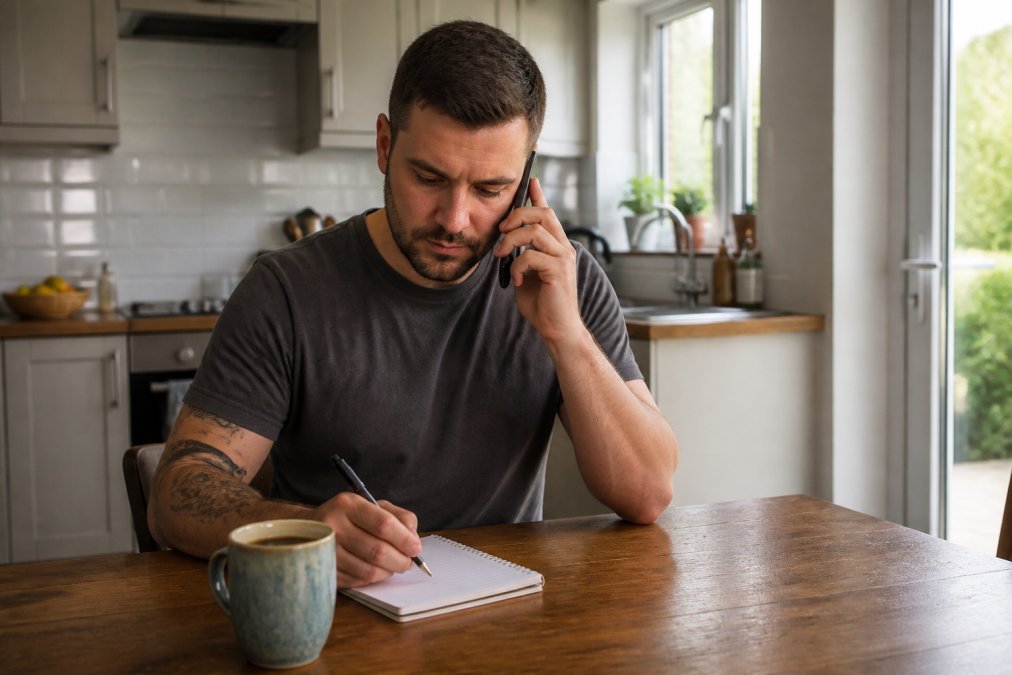
Essential questions:
- "Are you MLA registered?"
- "Do you have DBS clearance?"
- "What's your estimated arrival time?"
- "What will this cost?"
- "Do you have public liability insurance?"
- "Can you provide a receipt and invoice?"
- "What guarantees do you offer on the work?"
Listen to how they respond. Do they answer directly or dodge the question? Do they seem knowledgeable or vague? Trust your instinct. If something feels off, hang up and call someone else.
A good locksmith will welcome your questions. They know you're checking them out. They expect it. If they're irritated or dismissive, that's a warning sign.
Verify Credentials Before Work Begins
Before the locksmith starts any work, take a moment to confirm their details match what they told you on the phone.
On arrival, check:
- Their vehicle has a company name and contact details
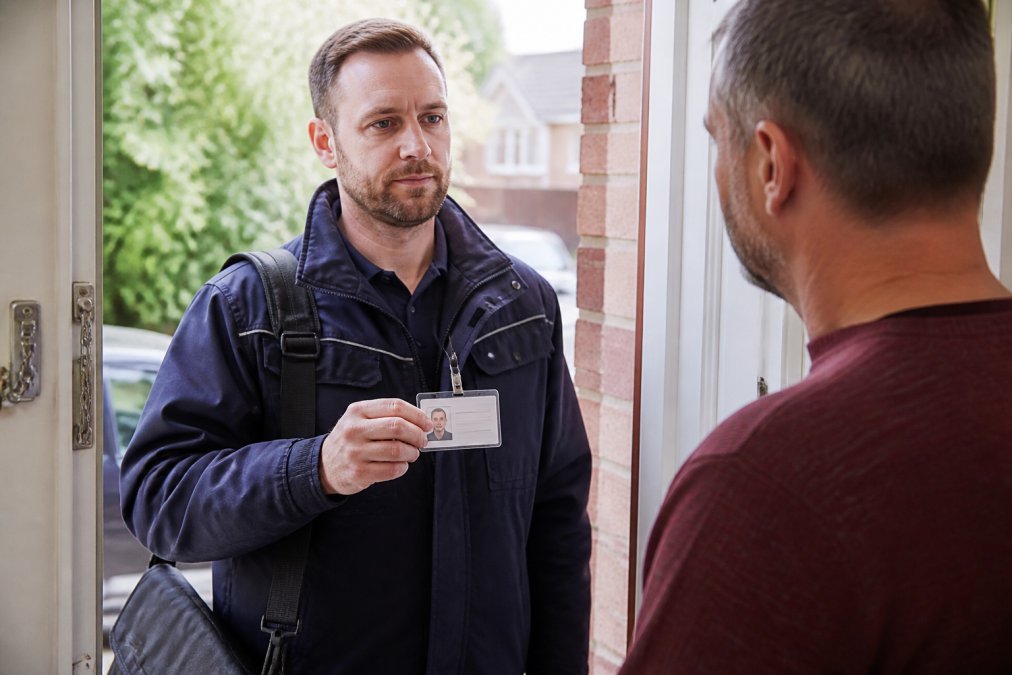
- They wear a uniform or ID badge
- Their ID matches the company name you called
- They can produce their MLA membership card
- They have proof of insurance
- They're willing to show qualifications
Ask them to show these items. Legitimate locksmiths carry this documentation. They expect to be asked. If they refuse or get annoyed, stop the job and ask them to leave.
Take a photo of their ID and vehicle registration plate. Keep the receipt and any paperwork they give you. This creates a record if something goes wrong.
Frequently Asked Questions
Are locksmiths required to be licensed in the UK?
Locksmiths in the UK are not required to hold a specific government licence, but reputable professionals should hold relevant qualifications such as NVQ Level 2 or 3 in Security Systems, or membership with the Master Locksmiths Association. These credentials demonstrate proper training and adherence to industry standards. Always ask a locksmith about their qualifications before hiring them.
How can I verify if a locksmith is a Master Locksmiths Association member?
Visit the Master Locksmiths Association website and use their member directory search tool. You can search by postcode or business name to confirm membership. Genuine members display their membership number and badge. Contact the association directly if you're unsure, they'll confirm whether someone claiming membership is legitimate.
What should I do if a locksmith refuses to show ID or credentials?
Do not let them proceed with any work. A professional locksmith will always carry identification and be happy to show you proof of DBS clearance, qualifications, and insurance. If they hesitate or refuse, end the call and contact another provider. This is a major red flag for rogue traders.
How do I know if a locksmith is DBS checked?
Ask directly and request to see their DBS certificate or Enhanced DBS disclosure. Legitimate locksmiths working on residential or commercial properties should have current DBS clearance. You can also verify through the Master Locksmiths Association, which requires members to maintain DBS checks. Never proceed with someone who cannot provide proof of clearance.
Ready to get your locks secured by a fully trained and vetted locksmith? WS Locksmiths operates 24/7 across Crawley, Horsham, Horley, and Redhill. Every member of our team holds MLA membership, DBS clearance, and professional qualifications. Call us 24/7: +44 77321 89721 for emergency lockouts, security upgrades, and lock repairs you can trust.