 how-to
Emergency Lockout Assistance for Real Estate Agencies
Table of Contents
- What to Do When You're Locked Out of a Rental Property
- Understanding Emergency Locksmith Response Times
- Estate Agency Key Management Best Practices
- Handling Lost Keys for Rental Properties
- Lock Changes After a Tenant Moves Out
- Preventing Future Lockouts and Security Issues
- Frequently Asked Questions
Last Updated: October 12, 2026
What to Do When You're Locked Out of a Rental Property
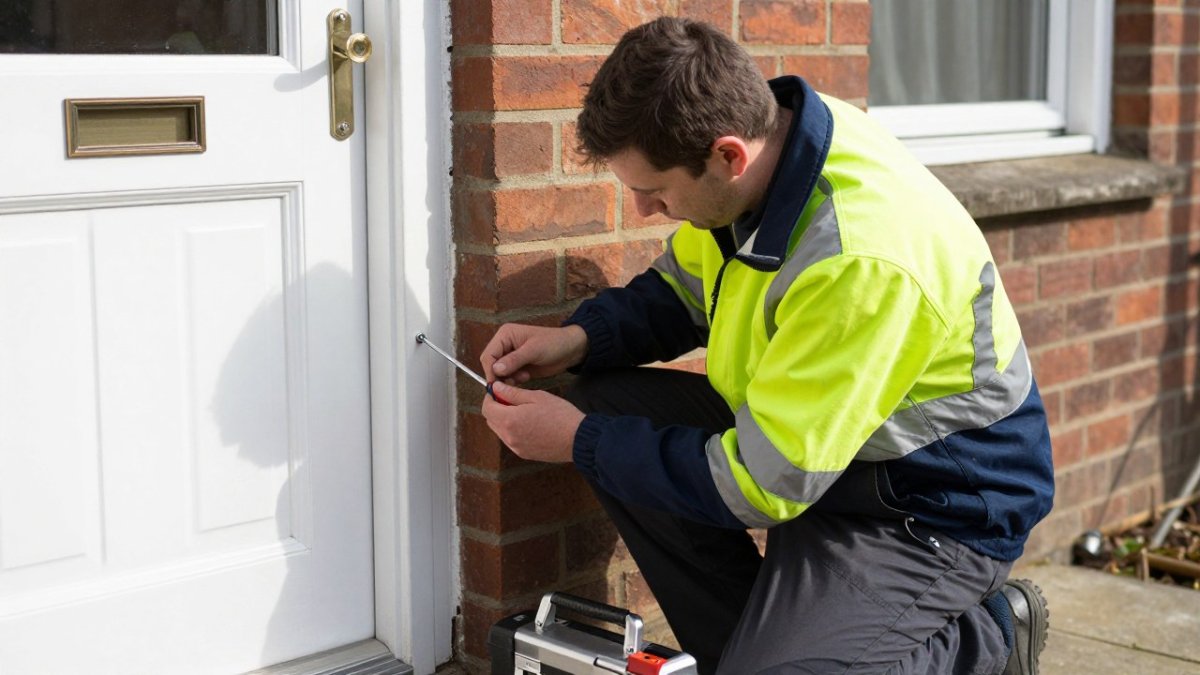
Getting locked out of a rental property creates immediate pressure for real estate agencies. Tenants can't access their homes, staff may be stranded outside, and every minute without access compounds the problem. At WS Locksmiths, we handle emergency lockout assistance for real estate agencies, and we understand that the first few minutes matter most. Your response during those initial moments determines whether the situation escalates or resolves quickly.
Immediate steps to take
When you discover a lockout, resist the urge to force entry. Kicking doors, breaking windows, or attempting to pick locks yourself risks property damage that becomes expensive to repair and complicates insurance claims. Instead, stay calm and follow a clear sequence.
First, verify the lockout is genuine. Check whether another team member holds a spare key or master access. Many agencies keep duplicates in secure storage specifically for this reason. If a spare exists and is accessible, you've solved the problem without outside help. If not, move to the next step immediately.
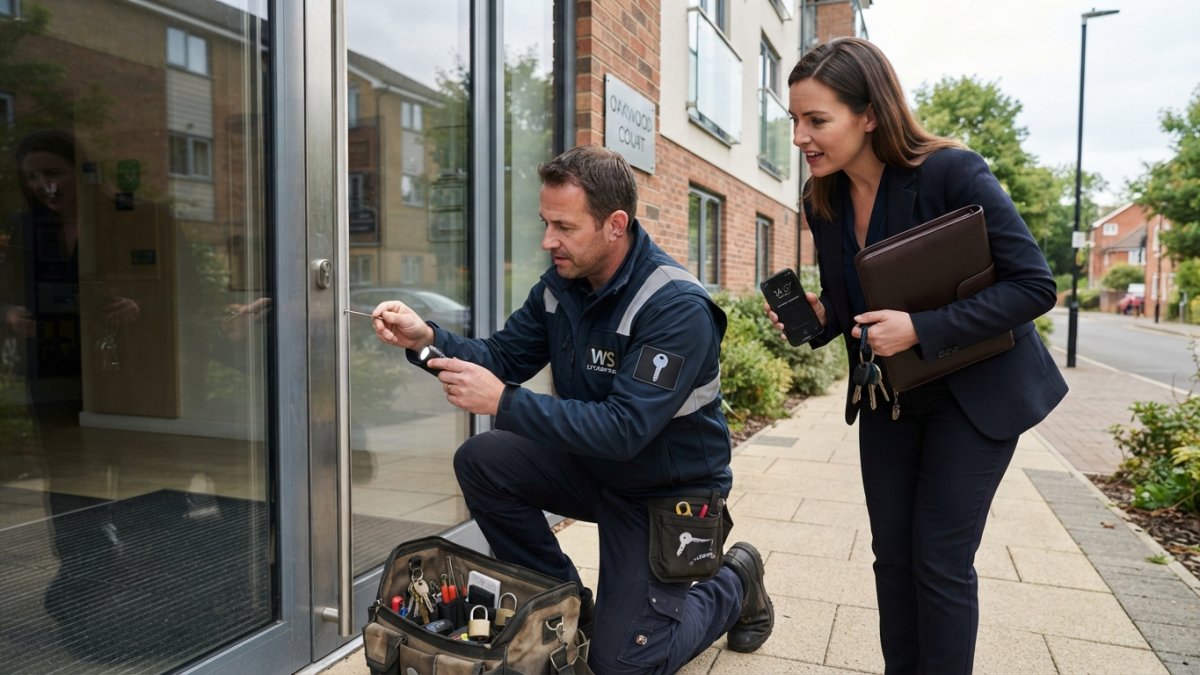
Second, contact your emergency locksmith without delay. The longer a property sits inaccessible, the more frustrated tenants become, and the greater the risk of unauthorised entry attempts. When you call, provide clear information: the property address, the type of lock, whether you have the lease agreement available, and confirmation that you're the authorised property manager. This speeds up verification and dispatch.
Third, document the lockout. Note the time, how it occurred, and which staff members are affected. This record proves useful for insurance purposes and helps you identify patterns if lockouts happen repeatedly at the same property.
Contacting an emergency locksmith
Not all locksmiths handle emergency lockout assistance for real estate agencies effectively. You need someone who understands the unique requirements of property management: verifying your authority before opening doors, working with multiple properties, and maintaining professional standards that protect tenant privacy.
When you call, ask directly about response times. A reputable locksmith should be able to commit to a specific arrival window. WS Locksmiths operates 24/7 and provides rapid response because we understand that lockouts don't follow business hours. A tenant locked out at midnight on a Sunday needs the same professional service as one locked out at 9 AM on a Tuesday.
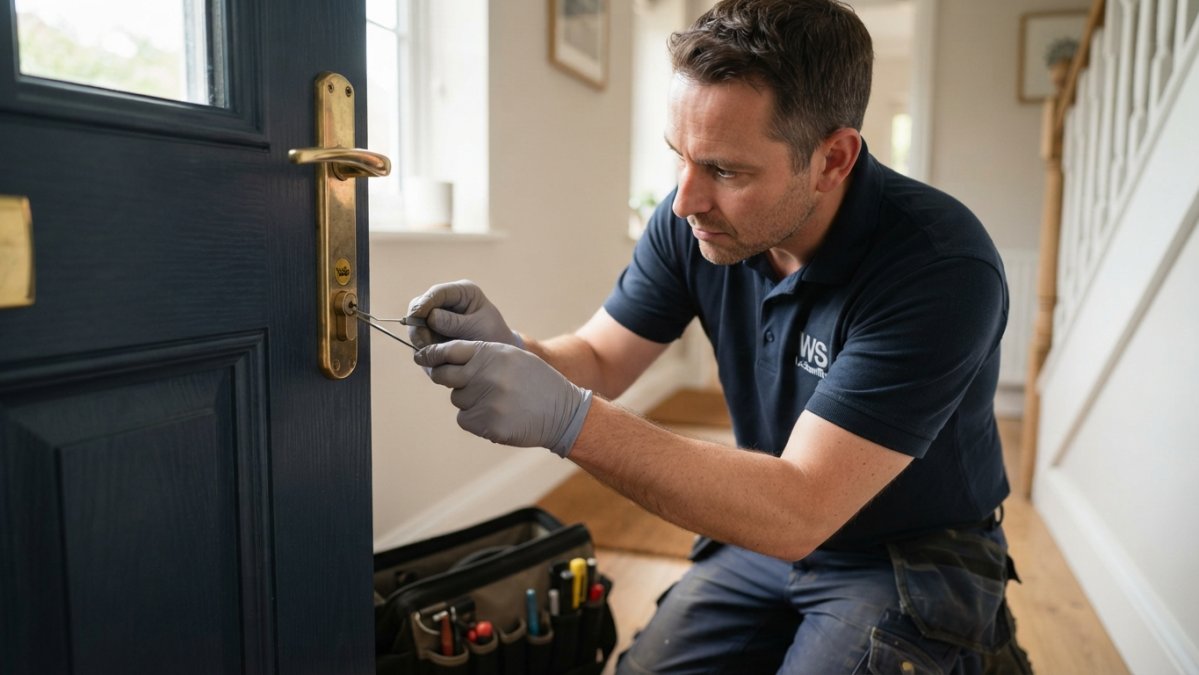
Confirm that the locksmith is fully trained and vetted. This isn't just about credentials, it's about protecting your properties. An untrained locksmith might damage locks, doors, or security systems while attempting entry. A vetted professional uses the right techniques and tools, minimising damage and maintaining security integrity.
Ask whether they can provide proof of identity when they arrive. Tenants have every right to verify that the person entering their home is genuinely a locksmith and not someone posing as one. A professional locksmith carries identification and expects to show it.
Understanding Emergency Locksmith Response Times
Emergency lockout assistance response times vary dramatically between providers. The difference comes down to local presence and operational structure. A locksmith based in your area with multiple technicians on rotation can respond faster than one operating from a distant location with a single technician.
Response time matters because every minute a tenant remains locked out, their frustration grows. For real estate agencies managing multiple properties, slow response times create a cascade of complaints and damage to your reputation. A tenant locked out of their flat is unlikely to distinguish between the agency's fault and the locksmith's fault, they'll blame the agency for not solving the problem quickly.
When evaluating emergency locksmith response times, ask about their coverage area and staffing model. Do they have technicians positioned across the region, or do they operate from a central location? Are they available 24/7, including weekends and bank holidays? WS Locksmiths maintains local presence specifically to deliver rapid response for emergency lockout assistance across the region.
Also ask about their verification process. A locksmith who skips verification to save time creates a security risk. A professional locksmith will take a few minutes to confirm your authority as the property manager before proceeding. This protects both the tenant and the agency.
Estate Agency Key Management Best Practices
The most effective approach to emergency lockout assistance is preventing lockouts in the first place. This requires systematic key management across all your properties.
Secure storage and tracking systems
Maintain a master key system with clear protocols for who can access keys and when. Store master keys in a secure location, a safe or lockable cabinet, not in a desk drawer or hung on a hook. Document every instance of key removal and return.
Use a key tracking log that records the property address, the key identifier, who removed it, the date and time, and when it was returned. Digital systems work better than paper logs because they're harder to lose and easier to search. If a key disappears, you'll know immediately rather than discovering it during a lockout crisis.
Assign specific keys to specific staff members where possible. If only certain team members carry keys to certain properties, you narrow down where a key might be if it goes missing. This also prevents casual key sharing that can lead to lost or duplicated keys.
Establish clear access protocols for contractors and temporary staff. If a tradesperson needs access to a property, they should be escorted or given a time-limited key rather than a permanent one. This reduces the risk of keys being lost or misused.
Access protocols for staff and contractors
Create a written access policy that every staff member understands. The policy should specify who can authorise key access, how requests are logged, and what documentation is required. When a contractor needs access, require proof of their identity and the reason for entry. Keep records of all access.
Rotate keys periodically, particularly after staff members leave. If a former employee still holds a key, they could access properties without authorisation. After a resignation or dismissal, change the locks or rekey them to invalidate old keys. This is a security investment that prevents future problems.
Handling Lost Keys for Rental Properties
Lost keys create immediate lockout situations and serious security concerns. A key in the wrong hands could allow unauthorised access to a tenant's home. Your response needs to balance speed, getting the tenant back inside quickly, with security, ensuring no one else can use that lost key.
Call us 24/7: +44 77321 89721 →
When a tenant reports a lost key, your first action is to verify the loss genuinely occurred and wasn't a pretext for something else. Ask the tenant when they last had the key and where they believe they lost it. If they lost it in a public place, the security risk is higher than if they lost it at home and later found it.
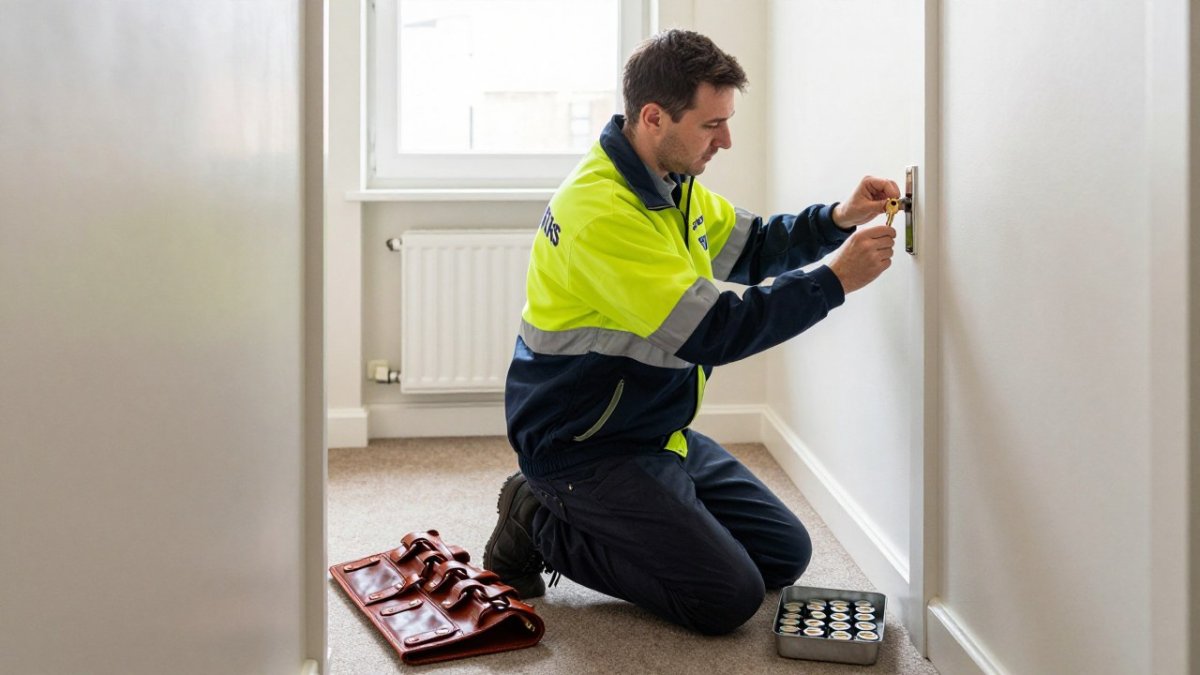
Contact your emergency locksmith and explain that the key is lost, not just misplaced. This tells the locksmith you'll need the lock changed or rekeyed after entry, not just opened. A professional locksmith will factor this into their service plan and may recommend immediate rekeying to prevent future unauthorised access.
After the locksmith gains entry, arrange for lock rekeying or replacement as soon as possible. Rekeying changes the internal mechanism so the old key no longer works, but the lock remains in place. Replacement removes the old lock entirely and installs a new one. For rental properties, rekeying is often sufficient and more cost-effective than replacement, but replacement may be necessary if the lock is damaged or outdated.
Lock Changes After a Tenant Moves Out
Changing locks between tenants is standard practice for property managers. It ensures each new tenant has exclusive access and prevents previous tenants from using old keys to enter the property.
Timing and legal considerations
Schedule lock changes immediately after a tenant's move-out date. Don't wait days or weeks, change locks the same day if possible. This minimises the window during which old keys could be used to access the property.
Before changing locks, ensure you have legal authority to do so. You should be the registered owner or have written authorisation from the owner. Verify that the tenant has officially ended their tenancy and vacated the property. If there's any dispute about the move-out date or the tenancy terms, consult your legal adviser before proceeding.
Document the lock change with photographs and written records. Note the date, time, which locks were changed, and which staff members witnessed the work. Keep the old locks securely stored in case you need them as evidence for any future dispute.
Choosing appropriate replacement locks
Select locks appropriate to the property type and security level. A basic pin-tumbler lock provides standard security for most residential properties. High-security locks offer greater resistance to picking and bumping but cost more. For properties in high-crime areas or those with particularly valuable contents, the extra security investment may be justified.
Consider anti-snap locks if your properties have experienced break-ins or if you're upgrading security. Anti-snap locks resist the snapping attack where a burglar breaks off the lock cylinder to gain entry. They're more expensive than standard locks but provide significantly better protection against this specific threat.
Ensure all locks on a property use the same key or a master key system. This simplifies access for staff and reduces the number of different keys you need to manage. A tenant should never need multiple keys to access different doors within their home.
Preventing Future Lockouts and Security Issues
The best emergency lockout assistance is one you never need to call. Preventing lockouts requires attention to both systems and behaviour.
Educate tenants about key care. Include information in your tenancy welcome pack explaining the importance of keeping keys safe, where not to hide spare keys (under doormats and plant pots are the first places burglars look), and what to do if they lose a key.
Maintain your locks regularly. Locks that are stiff, difficult to turn, or partially stuck are more likely to jam and cause accidental lockouts. A locksmith can service locks, cleaning and lubricating the mechanism to keep them functioning smoothly.
Consider keyless access systems for properties you manage frequently. Digital locks, smart locks, or keypad entry systems eliminate the risk of lost physical keys. Tenants can access the property with a code, and you can change access remotely when tenants move out.
Keep emergency locksmith contact information easily accessible. Display it in your office, share it with all staff members, and include it in tenant welcome packs. When a lockout occurs, you want to contact the locksmith immediately rather than spending time searching for a number.
When you're managing rental properties across the region, lockouts happen despite your best efforts. That's why emergency lockout assistance from a professional locksmith matters. At WS Locksmiths, we're available 24/7 to resolve lockouts quickly and professionally, protecting both your tenants and your properties.
Frequently Asked Questions
What should an estate agent do first if locked out of a rental property?
Stop and assess the situation. Check whether anyone else has a spare key on site or nearby. Contact your emergency locksmith immediately with the property address and details of the lock type. Provide the locksmith with proof of authorisation to access the property. Avoid forcing entry, which can damage the door or lock and create liability issues. Document the lockout incident for your records.
How quickly can an emergency locksmith respond to an estate agency lockout?
Response times vary based on location and current demand. When you contact your locksmith, ask for a specific estimated arrival time. Having a pre-arranged emergency locksmith relationship ensures faster response than calling a random provider during a crisis.
Should an estate agency change locks after every tenant moves out?
Yes, changing locks between tenants is strongly recommended for security and compliance. It ensures previous tenants cannot re-enter and protects your landlord's property. This should be done before the next tenant takes possession. Coordinate with your locksmith to schedule the change shortly after the tenant's departure. Document the lock change with photos and keep records of who received new keys.
What information should I give an emergency locksmith when calling about a lockout?
Provide the full property address, the type of lock (cylinder, mortice, etc.), your contact number, and proof that you are authorised to access the property. Tell the locksmith whether anyone is inside the property. Describe any recent damage or issues with the lock. Confirm your location so the locksmith can give an accurate arrival estimate. This speeds up the process and prevents delays on site.