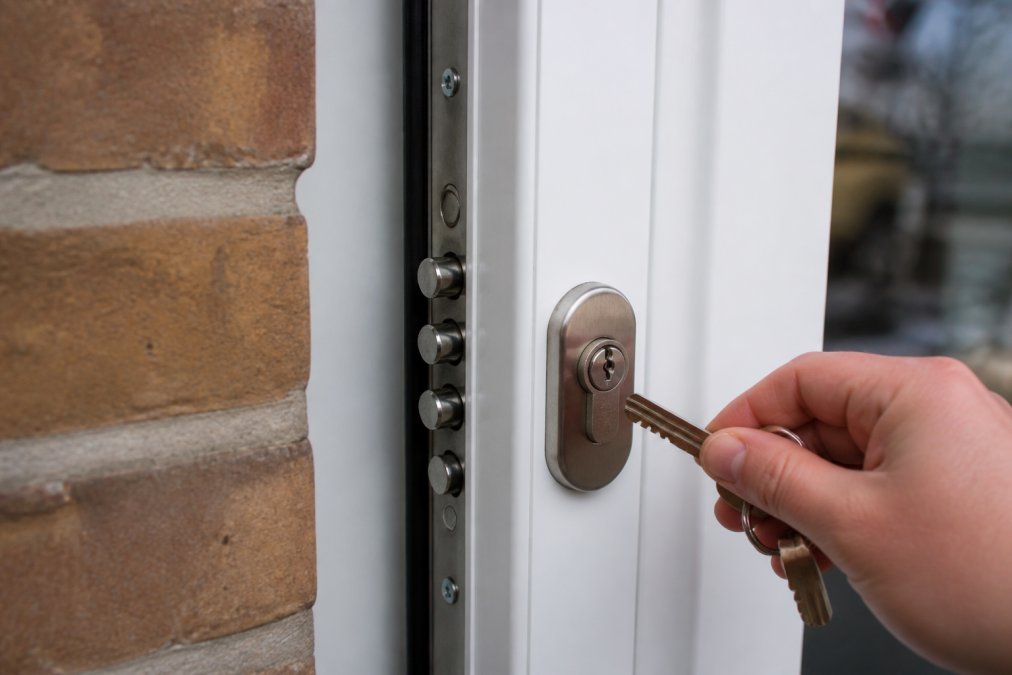
 ultimate-guide
Benefits of Anti-Snap Locks: A 2026 Guide
Table of Contents
- What Are Anti-Snap Locks and How Do They Work?
- Understanding TS007 3-Star Cylinder Rating
- Security Benefits of Anti-Snap Locks
- How to Measure a Euro Cylinder for Replacement
- Why Do Door Locks Jam and How Anti-Snap Locks Help
- Installation and Upgrade Process
- Frequently Asked Questions
Last Updated: September 21, 2026
What Are Anti-Snap Locks and How Do They Work?
Anti-snap locks are security devices engineered to prevent a common break-in technique where burglars snap the cylinder of a standard lock and gain access without using the key. These locks feature reinforced internal mechanisms that resist the snapping force applied by thieves attempting forced entry.
The core innovation lies in the cylinder design. When a burglar applies lateral pressure to snap a traditional lock, the weakest point is typically where the cylinder meets the lock body. Anti-snap cylinders include a hardened steel bar or pin that extends beyond the lock face, preventing the cylinder from breaking cleanly at this vulnerable junction. This design means that even if a thief applies significant force, the cylinder remains intact.
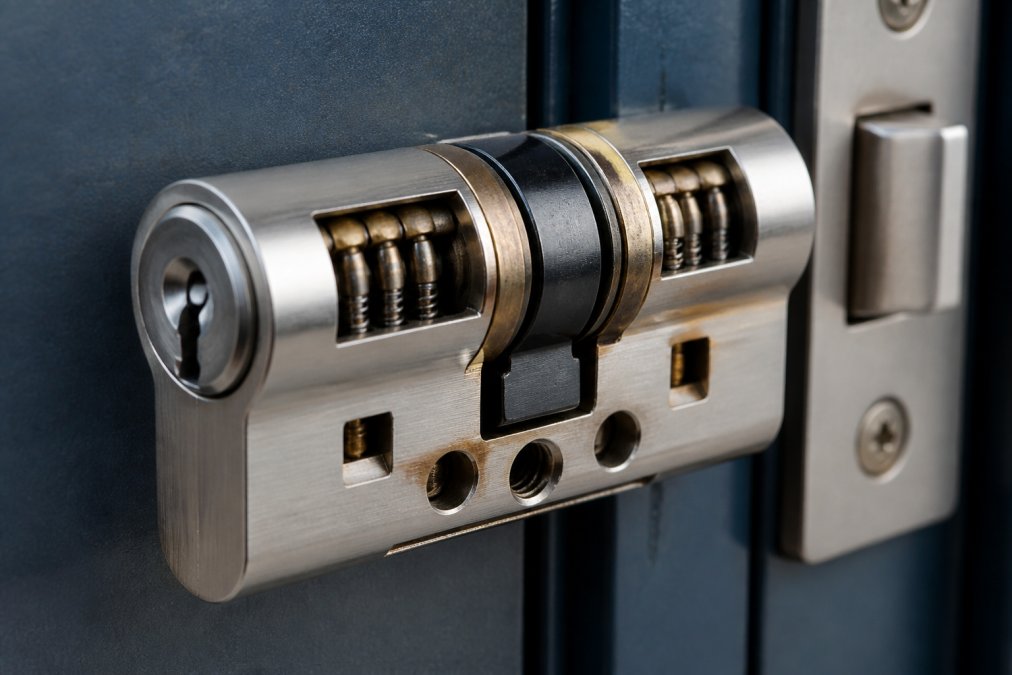
The mechanism works through two key principles. First, the physical barrier prevents the cylinder from being snapped at the point where most attacks occur. Second, the reinforced design means that any attempt to break the lock typically causes damage to the lock body itself, making forced entry far more difficult and time-consuming. Most burglars abandon attempts when they encounter this resistance, as they need speed to avoid detection.
Anti-snap locks are particularly effective for properties in areas where lock snapping has become a common burglary method. The benefits of anti-snap locks extend beyond just preventing this specific attack; they signal to potential intruders that your property has upgraded security, which often deters attempts altogether.
Understanding TS007 3-Star Cylinder Rating
The TS007 3-star cylinder rating is a British security standard that certifies a lock's resistance to common attack methods, including snapping, bumping, and picking. This certification comes from testing conducted to strict specifications set out in the British Standards Institution guidelines.
A TS007 3-star cylinder must withstand a defined snapping test where controlled force is applied to the lock mechanism. The lock must resist this force without the cylinder separating from the lock body. Additionally, it must resist picking and bumping attacks, which are other methods burglars use to gain entry without visible damage.
The rating system works on a star scale. A 1-star rating offers basic protection, a 2-star rating provides enhanced security, and the 3-star rating represents the highest level of certification available for residential locks. When you see a lock advertised with the TS007 3-star rating, it means it has passed rigorous testing and meets the standards expected for high-security residential applications.
Many insurance providers now require or recommend TS007 3-star locks for properties in areas with higher burglary rates. This certification directly impacts your coverage and premium costs. The benefits of anti-snap locks that carry this rating are substantial; you're not just getting a stronger lock, you're getting one that meets recognised security standards and may reduce your insurance liability.
Security Benefits of Anti-Snap Locks
The primary security benefit is straightforward: anti-snap locks prevent one of the most common forced-entry techniques used by residential burglars. Snapping attacks are quick, relatively quiet, and require minimal tools, making them attractive to opportunistic thieves. When your property has anti-snap locks, you eliminate this easy entry point.
Beyond preventing snapping specifically, anti-snap locks provide broader security advantages. The reinforced design means the entire lock mechanism is stronger. This translates to increased resistance against other forced-entry methods. A burglar encountering an anti-snap lock will face a significantly longer attack time, increased noise, and higher risk of detection. Most will move on to easier targets.
The psychological deterrent is equally important. Properties with visible high-security locks signal that the owner takes security seriously. This alone discourages many burglars from even attempting entry. A property with standard locks appears easier to breach, whereas one with certified anti-snap locks appears to have invested in protection.
For rental properties and multi-unit buildings, installing anti-snap locks demonstrates due diligence in property security.
Insurance benefits are concrete as well. Many policies offer premium reductions for properties fitted with TS007 3-star certified locks. Some insurers will not provide full coverage for certain property types without this level of lock security.
How to Measure a Euro Cylinder for Replacement
Measuring a euro cylinder correctly is essential before purchasing a replacement or upgrade. An incorrectly sized cylinder won't fit your lock, and a cylinder that protrudes too far creates a security vulnerability by providing a purchase point for attack.
Start by removing the old cylinder. Open your door and locate the cylinder screw on the interior side of the lock. Turn the key so the cam is horizontal (parallel to the ground), then unscrew the cylinder. The cylinder will slide out toward the exterior of the door.
Call us 24/7: +44 77321 89721 →
Once removed, measure the total length of the cylinder from the outer edge of the escutcheon (the decorative plate) to the inner edge where the cam sits. This measurement is critical. A euro cylinder is typically measured in two parts: the external length (from outside the door to the centre of the lock body) and the internal length (from the lock body centre to the inside of the door). Combined, these create the total length you need.
Place the cylinder against a ruler and measure in millimetres. Standard sizes are typically 30/30mm, 30/35mm, 35/35mm, or 40/40mm, though variations exist. The first number represents the external measurement, the second the internal measurement. If your door is thicker than standard (as with some composite doors), you may need a longer internal measurement.
When selecting a replacement, choose a cylinder that matches these measurements exactly. An anti-snap cylinder that is too short will leave a gap, and one that is too long will protrude and create a weak point. Precise measurement ensures both proper fit and maximum security benefit.
If you're uncertain about your measurements, WS Locksmiths can verify the correct size and recommend anti-snap replacements that match your door specifications precisely. Incorrect sizing is a common reason why upgraded locks fail to provide expected security benefits.
Why Do Door Locks Jam and How Anti-Snap Locks Help
Door locks jam for several reasons, and understanding these helps explain why anti-snap locks often perform better than standard alternatives. Common causes include dirt and debris accumulation inside the cylinder, rust from moisture exposure, misalignment between the cylinder and lock body, and wear on the internal pins and springs.
Standard locks are more prone to jamming because their internal components are weaker. The pins wear more quickly, and the mechanism becomes loose over time. Anti-snap locks, by contrast, feature tighter tolerances and more durable internal components. The reinforced design means less movement between parts, which reduces the likelihood of jamming.
Moisture is a particular problem for exterior locks. Rust develops inside the cylinder, causing friction and jamming.
Installation and Upgrade Process
Installing or upgrading to anti-snap locks is a straightforward process for most residential properties, though the exact steps depend on your current lock type and door construction.
| Lock Type | Installation Time | Complexity Level | Professional Recommended |
|---|---|---|---|
| Euro cylinder replacement | 10-15 minutes | Low | Optional |
| Mortice lock upgrade | 30-45 minutes | Medium | Recommended |
| Composite door lock | 15-20 minutes | Low | Recommended |
| Multi-point lock system | 45-60 minutes | High | Essential |
Frequently Asked Questions
What is lock snapping and how does it work?
Lock snapping is a forced entry technique where an intruder applies pressure to the protruding part of a euro cylinder and breaks it at its weakest point, usually just above the lock body. This leaves the internal mechanism exposed, allowing the attacker to manipulate the lock and turn it without a key. Anti-snap locks are specifically engineered to resist this attack by reinforcing the cylinder's structure and limiting how far it protrudes from the door.
How do I know if my door locks are anti-snap?
Check whether your cylinders carry the TS007 3-star rating, which is the standard security certification for anti-snap locks in the UK. Look for the TS007 mark printed on the cylinder itself or check your lock's documentation. If your lock is older than 10 years or you're unsure, it likely lacks anti-snap protection. A locksmith can assess your current cylinders and recommend upgrades if needed.
Are 3-star anti-snap locks worth the investment?
Yes, especially if you live in an area with burglary activity or have experienced a break-in. TS007 3-star cylinders meet rigorous British security standards and significantly reduce the risk of forced entry through lock snapping. Many insurance providers now offer discounts or require anti-snap locks for cover. They can also last longer and potentially require less maintenance than standard locks.
Can I upgrade my existing euro cylinder to an anti-snap version?
Yes, upgrading is straightforward if your door already has a euro cylinder lock. You simply replace the old cylinder with a new TS007 3-star anti-snap model without replacing the entire lock mechanism. The process takes minutes and doesn't require door modifications. Knowing how to measure your euro cylinder correctly ensures you order the right size. A professional locksmith can handle the measurement and installation to guarantee a perfect fit.
Do insurance companies require anti-snap locks?
Many insurers now require TS007 3-star anti-snap locks as a condition of cover, particularly for buildings insurance on residential properties. Some policies offer reduced premiums if you upgrade to anti-snap protection. Check your policy documents or contact your insurer directly to confirm their requirements. Installing anti-snap locks not only meets insurance conditions but also provides genuine protection against one of the most common break-in methods.
How long does it take to install an anti-snap lock?
Replacing a euro cylinder with an anti-snap version typically takes 15-30 minutes per lock, depending on the lock's condition and accessibility. If the existing cylinder is stuck or corroded, removal may take longer. Professional installation ensures proper fit and function, eliminating the risk of damage to the door or lock body.