 how-to
Residential Door Locks: Types, Installation & Security
Table of Contents
- Understanding Types of Door Locks for Your Home
- Why Do Door Locks Jam and How to Prevent It
- Door Lock Maintenance: Keeping Your Locks in Working Order
- When to Change Door Locks: Signs You Need Replacement
- Step-by-Step Guide to Installing Residential Door Locks
- Security Features to Look for in Residential Door Locks
- When Professional Installation Makes Sense
- Frequently Asked Questions
Last Updated: October 18, 2026
Understanding Types of Door Locks for Your Home
Choosing the right residential door locks is one of the most important security decisions you'll make for your property. Different lock types offer varying levels of security, ease of use, and durability. Understanding what's available helps you protect your home effectively.
The locks you choose determine how well your doors resist forced entry and how convenient access becomes for your family.
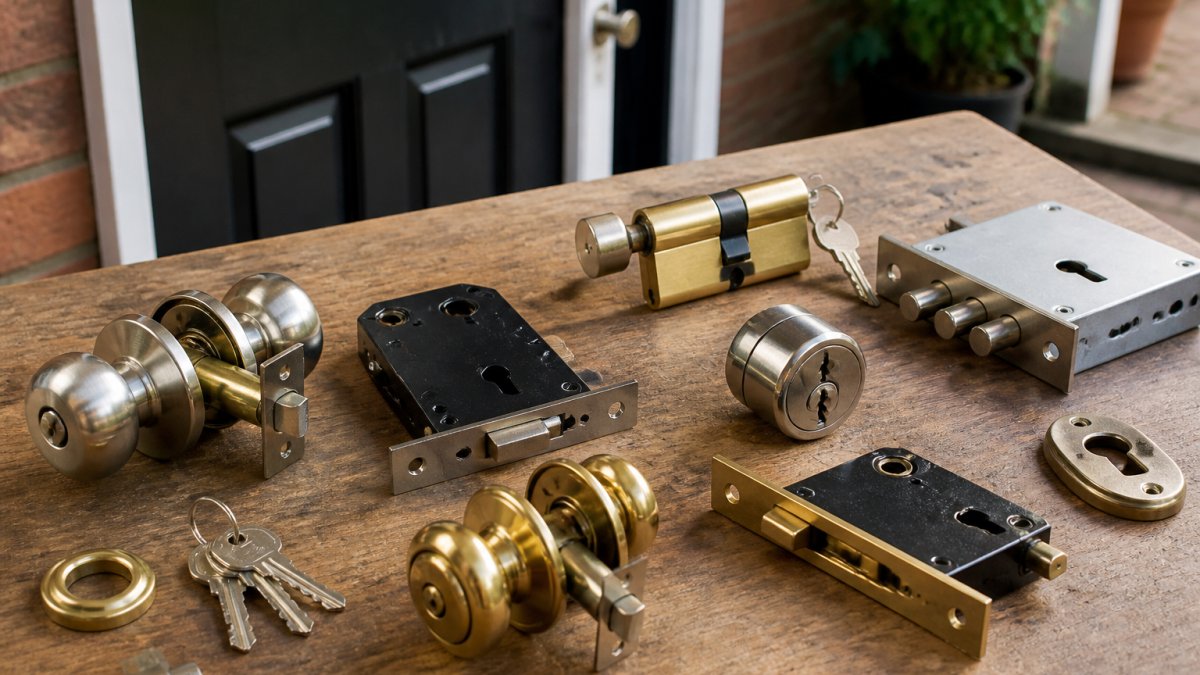
Deadbolts and mortice locks
Deadbolts are the gold standard for residential door locks. These locks use a solid metal bolt that extends deep into the door frame, making them far harder to force open than spring latches alone.
Mortice locks are built directly into the door itself rather than mounted on the surface. They're common in older properties and offer excellent security because the locking mechanism sits within the door structure.
Both types work well for main entry doors. Deadbolts are easier to install on existing doors, while mortice locks require more carpentry but look cleaner and last longer.
Cylinder locks and rim locks
Cylinder locks (also called pin tumbler locks) are the most common residential door locks worldwide. They work by aligning pins to the correct height when the right key is inserted.
Rim locks mount on the surface of the door and are secured with bolts that extend into the frame. They're particularly popular on older properties and wooden doors. The visible mechanism makes them easy to inspect for damage, and they're straightforward to replace when needed.
Both cylinder and rim locks work best alongside a deadbolt for maximum security. A cylinder lock alone on your main entry door leaves you vulnerable to forced entry.
Smart locks and keyless entry
Smart locks eliminate the need for physical keys by using PIN codes, biometric readers, or smartphone apps to unlock your door. These residential door locks offer convenience, no fumbling for keys in the dark, and the ability to grant temporary access to guests or service providers remotely.
However, smart locks require power (usually batteries) and a reliable connection to function. They're best used as secondary locks or on doors where you don't mind occasional manual backup access. For your main entry door, combining a smart lock with a traditional deadbolt gives you flexibility and a failsafe if the smart system fails.
Why Do Door Locks Jam and How to Prevent It
A jammed lock can trap you outside your home or prevent you from securing your property. Understanding what causes residential door locks to jam helps you avoid costly emergency calls and keeps your security reliable.
Common causes of jamming
Dirt and debris build up inside the lock mechanism over time. Dust, lint, and grime accumulate around the pins and springs, making it harder for them to move freely.
Moisture and rust are equally damaging. Rain, humidity, and condensation seep into the lock cylinder, causing metal components to corrode.
Misaligned doors create pressure on the lock. If your door frame has shifted or settled over time, the bolt may not align perfectly with the strike plate.
Worn or damaged keys can jam residential door locks. If your key has been bent, filed down, or damaged, it won't fit the pins correctly.
Prevention strategies
Lubricate your locks regularly with a dry lubricant like graphite powder or PTFE-based spray. Avoid oil-based lubricants because they attract dirt and gum up the mechanism.
Keep the lock clean by gently brushing away visible debris from around the keyhole.
Check your door alignment periodically. Open and close your door smoothly several times. If it sticks, scrapes, or doesn't close evenly, the frame may have shifted.
Have spare keys made from your original key, not copies of copies. Each generation of copied key loses precision, making it more likely to jam the lock.
Door Lock Maintenance: Keeping Your Locks in Working Order
Regular maintenance extends the life of your residential door locks and catches small problems before they become emergencies. A few simple steps keep your locks functioning smoothly for years.
Regular cleaning and lubrication
Clean the outside of your lock monthly by wiping it with a dry cloth. This removes salt spray (especially important near coastal areas), dust, and moisture that could corrode the finish.
For the lock mechanism itself, use a dry lubricant every six months. Graphite powder is ideal because it doesn't attract dirt like oil does. Insert the applicator tube into the keyhole and give it a brief squeeze.
Avoid WD-40 and other wet lubricants on locks. These products can seep into the mechanism and mix with dust to create a sticky paste that jams the lock worse than before.
Inspection and early warning signs
Test your key regularly. If it feels loose in the lock, turns with difficulty, or requires jiggling, the mechanism is wearing.
Listen for grinding or scraping sounds when you turn the key. These noises indicate internal wear or rust. Don't ignore them, they mean the lock is deteriorating.
Check the bolt visually. Open your door and look at the deadbolt as it extends and retracts. It should move smoothly and fully.
Look for visible rust or corrosion on the lock body. Surface rust can be cleaned, but deep corrosion means the internal components are likely affected too.
When to Change Door Locks: Signs You Need Replacement
Knowing when to replace residential door locks saves you from unexpected lockouts and security breaches. Some signs are obvious; others creep up gradually.
Age and wear indicators
Most residential door locks last 5-10 years with normal use. After a decade, internal components wear down and the mechanism becomes less reliable. If your locks are original to an older home, they've likely exceeded their useful life.
Keys that stick or require wiggling are a clear sign of wear. The internal pins are probably worn smooth, and the lock no longer grips the key properly.
Call us 24/7: +44 77321 89721 →
Locks that feel loose or rattle when you turn the key indicate worn internal springs and pins. The mechanism can't hold its shape anymore and won't provide reliable security.
Security upgrades and lost keys
If you've lost a key and don't know who might have it, changing your residential door locks is the only way to restore full security.
After a break-in, replace locks on any doors the intruder used. Even if the lock wasn't forced, you can't be certain the mechanism wasn't damaged internally. New locks restore your peace of mind.
Upgrading to anti-snap locks (also called high-security locks) is wise if you have older, standard cylinders. These locks resist the snapping attacks that burglars use on conventional cylinders. If you're concerned about break-ins, this upgrade is worth the investment.
Step-by-Step Guide to Installing Residential Door Locks
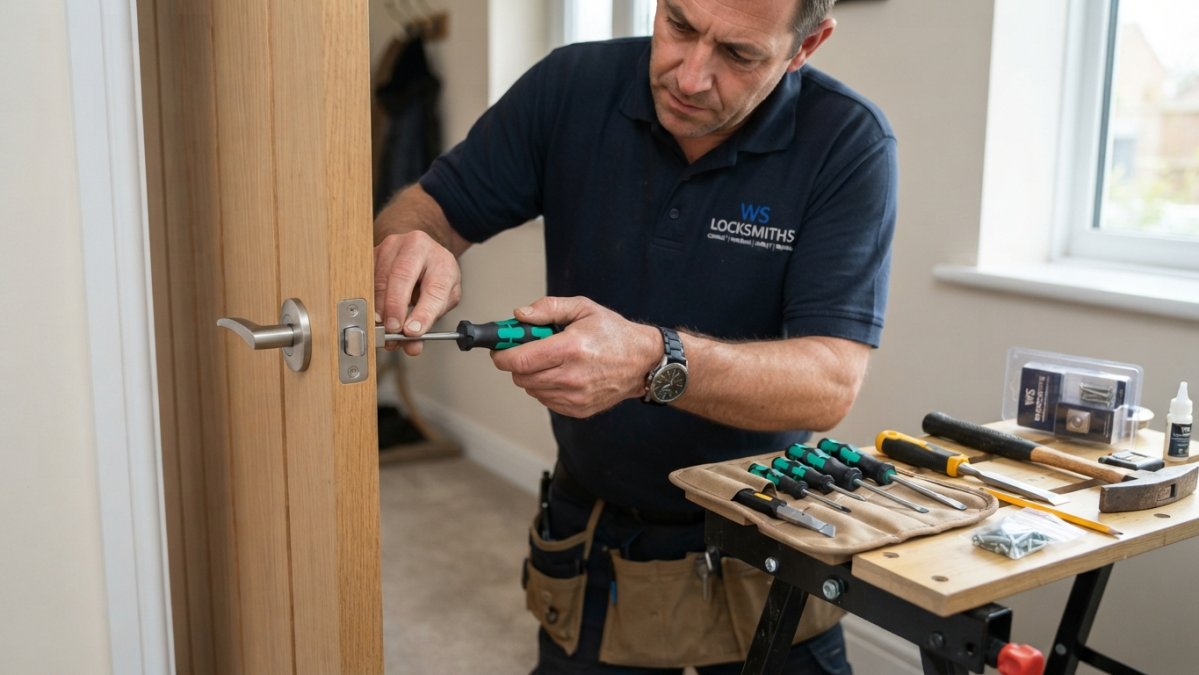
Installing a new residential door lock is achievable for most homeowners if you have basic tools and patience. This guide covers the standard process for replacing a deadbolt or mortice lock.
What you'll need before starting
Gather these items before you begin:
- New lock (deadbolt, mortice lock, or smart lock)
- Screwdrivers (Phillips and flat-head)
- Drill with bits (if you're drilling new holes)
- Tape measure
- Pencil
- Chisel (for mortice locks)
- Hammer
- Adjustable spanner
- Torch
Read the installation instructions for your specific lock. Each manufacturer has slightly different requirements, and following their guidance prevents mistakes.
Removing the old lock
Locate the screws holding the lock mechanism to the door. For surface-mounted locks, these are visible on the interior side. Remove all screws and gently pull the lock away from the door.
For mortice locks, you may need to remove the door from its hinges to access the lock properly. This sounds complicated but often makes the job easier. Support the door on a workbench and work carefully.
Clean away any debris or rust from the lock cavity. This gives you a clear view of what you're working with and makes installation of the new lock smoother.
Installing the new lock
Position your new lock in the existing hole. If the new lock is a different size from the old one, you may need to drill new holes. Mark the hole locations carefully using the template provided with your new lock.
Drill pilot holes first (smaller diameter holes that guide the larger screws). This prevents the wood from splitting and makes installation easier.
Insert the lock mechanism into the door. Align it so the bolt extends straight into the door frame without binding. Secure all screws firmly but don't overtighten, this can crack the lock housing.
Testing and adjusting
Insert your key and turn it smoothly through its full range. The bolt should extend and retract fully without sticking or grinding.
Close the door and test the bolt against the strike plate. The bolt should slide smoothly into the strike plate hole. If it binds or catches, the door frame may be misaligned.
Test the lock several times from both sides. Everything should feel smooth and responsive. If you notice any resistance, stop and check your installation before using the lock regularly.
Security Features to Look for in Residential Door Locks
The best residential door locks combine strong materials with intelligent design. Knowing what features matter helps you choose locks that actually protect your home.
Look for solid brass or stainless steel construction. These materials resist corrosion and withstand attempted forced entry better than cheaper metals.
A reinforced strike plate is as important as the lock itself. The strike plate is where the bolt enters the frame.
Keyed-alike options let you use one key for multiple locks. If you have several doors, having one key for all of them is convenient.
When Professional Installation Makes Sense
Some lock installations are straightforward enough for a confident homeowner. Others benefit from professional expertise.
Call a locksmith if your door frame is damaged, misaligned, or you're unsure about drilling new holes.
For mortice locks on older doors, a locksmith's experience prevents damage to antique woodwork and ensures the lock fits the existing cavity precisely.
After a break-in, having a professional install new residential door locks gives you confidence that the installation is secure and complete.
At WS Locksmiths, our fully trained and vetted team handles installations quickly and reliably.
Frequently Asked Questions
What type of lock is best for a residential front door?
A mortice deadbolt is widely considered the strongest option for front doors, offering superior security compared to simple cylinder locks. For maximum protection, many homeowners combine a mortice deadbolt with an additional rim lock or security chain. The best choice depends on your door type, existing frame, and security requirements. If you're uncertain which lock suits your property, a qualified locksmith can assess your door and recommend the most appropriate solution.
How often should door locks be maintained?
Residential door locks should be inspected every six months and lubricated annually with a dry lubricant like graphite powder. More frequent maintenance may be needed if you notice stiffness, grinding sounds, or difficulty turning the key. Regular maintenance prevents jamming, extends lock life, and catches wear early. If you spot problems during inspection, addressing them promptly prevents emergency lockouts and costly replacements.
When should a door lock be replaced?
Replace your door lock if the key sticks or requires excessive force, the lock feels loose or wobbly, you've lost keys and can't rekey the lock, or the mechanism is visibly damaged. You should also upgrade locks after a break-in, when moving to a new property, or if the lock is over 10 years old. Anti-snap locks offer better protection against modern break-in techniques and are worth considering during any replacement.
Can I install a new residential door lock myself, or should I hire a locksmith?
If you're comfortable with basic DIY tasks and have the right tools, simple cylinder lock replacement is manageable. However, mortice locks require precise measurements and careful door preparation. Professional installation ensures proper fit, correct security settings, and avoids damage to your door frame. A locksmith also guarantees the lock functions correctly and may offer warranty coverage on their work.
Securing your home starts with understanding your residential door locks and maintaining them properly. If you're facing a lockout, need urgent repairs, or want to upgrade your security, don't wait. Call WS Locksmiths 24/7 on +44 77321 89721. Our fully trained locksmiths arrive quickly and handle both emergency access and professional installations with the care your home deserves.