 how-to
How to Change a Euro Cylinder Lock
Last Updated: October 24, 2026
Quick Summary
How to change a euro cylinder lock involves locating the retaining screw on the inside of your door, removing it anticlockwise, pulling out the old cylinder, sliding in the new one, and securing it with the retaining screw turned clockwise. The entire process takes 10 to 15 minutes once you have the correct size cylinder and a screwdriver.
- Most common residential euro cylinder sizes are 70mm and 80mm
- The retaining screw is located on the inside of the door near the lock handle
- Never force a misaligned cylinder as this damages both the lock and door
- Test your new lock from both sides with your key before finishing
- If the cylinder won't budge after applying penetrating oil, call a professional locksmith
Table of Contents
- What You'll Need Before Starting
- How to Measure a Euro Cylinder Lock Correctly
- Understanding Euro Cylinder Lock Sizes
- How to Remove a Euro Cylinder Lock from Your Door
- Step-by-Step Process to Change Your Euro Cylinder Lock
- Common Mistakes to Avoid When Changing Your Lock
- When to Call a Professional Locksmith
- Frequently Asked Questions
What You'll Need Before Starting
Learning how to change a euro cylinder lock is straightforward if you have the right tools and materials. Before you start, gather everything you'll need so you're not hunting for items mid-job.
You'll need a screwdriver (usually slotted or Phillips, depending on your lock's retaining screw), the new euro cylinder lock, and possibly a torch for better visibility inside the door. Some people find needle-nose pliers helpful for gripping small parts, though they're optional.
Check your door's current lock to see what size cylinder you have. Understanding different residential door lock types helps you choose the correct replacement. Residential Door Locks: Types, Installation & Security explains the various options available so you can ensure you're selecting the right replacement cylinder for your door.
Keep the old cylinder handy until you've tested the new one. You might need to refer back to it if something doesn't fit properly.
Tools you'll need:
- Screwdriver (slotted or Phillips)
- Torch or good lighting
- Measuring tape
- Needle-nose pliers (optional)
- New euro cylinder lock
Materials:
- Replacement euro cylinder lock
- Small container for screws (so you don't lose them)
How to Measure a Euro Cylinder Lock Correctly
Measuring your euro cylinder lock correctly is essential before buying a replacement. An incorrectly sized cylinder won't fit your door, and you'll waste time and money.
The measurement runs from the centre of the screw hole on one side to the centre of the screw hole on the other side. This is called the overall length. Most euro cylinders measure between 30mm and 120mm, though 70mm and 80mm are the most common residential sizes.
To measure accurately, use a measuring tape or ruler. Place it against the cylinder's face and measure horizontally from the middle of one screw hole to the middle of the other. Write this number down. Many people get this wrong by measuring the visible part of the cylinder instead of the full length, so double-check your measurement.
You can also measure by removing the old cylinder first, then measuring it directly. This removes any guesswork and ensures you buy the exact size you need.
Understanding Euro Cylinder Lock Sizes
Euro cylinder locks come in standard sizes, and knowing which one you have prevents costly mistakes. The size determines whether the lock will function properly in your door.
Common euro cylinder lock sizes include:
- 30mm (rarely used in residential properties)
- 40mm (small doors or cupboards)
- 50mm (less common)
- 60mm (standard for some older doors)
- 70mm (most common residential size)
- 80mm (standard for many modern doors)
- 90mm (larger doors)
- 100mm and above (commercial or oversized doors)
The size you need depends on your door's thickness and the existing lock's dimensions. If you're unsure, measure your current cylinder or contact a professional. Buying the wrong size means a wasted trip to the shop and a delayed project.
Euro cylinder locks come in standard sizes, each suited to different door types and thicknesses.
| Size | Common use | Notes |
|---|---|---|
| 30mm | Rarely used in residential | Uncommon |
| 40mm | Small doors or cupboards | Not for standard doors |
| 60mm | Standard for some older doors | Less common now |
| 70mm | Most common residential size | Most popular choice |
| 80mm | Standard for many modern doors | Very common |
| 90mm | Larger doors | Less common |
| 100mm and above | Commercial or oversized doors | Not residential |
How to Remove a Euro Cylinder Lock from Your Door
Before installing a new euro cylinder lock, you must remove the old one safely. This step is simpler than many people expect.
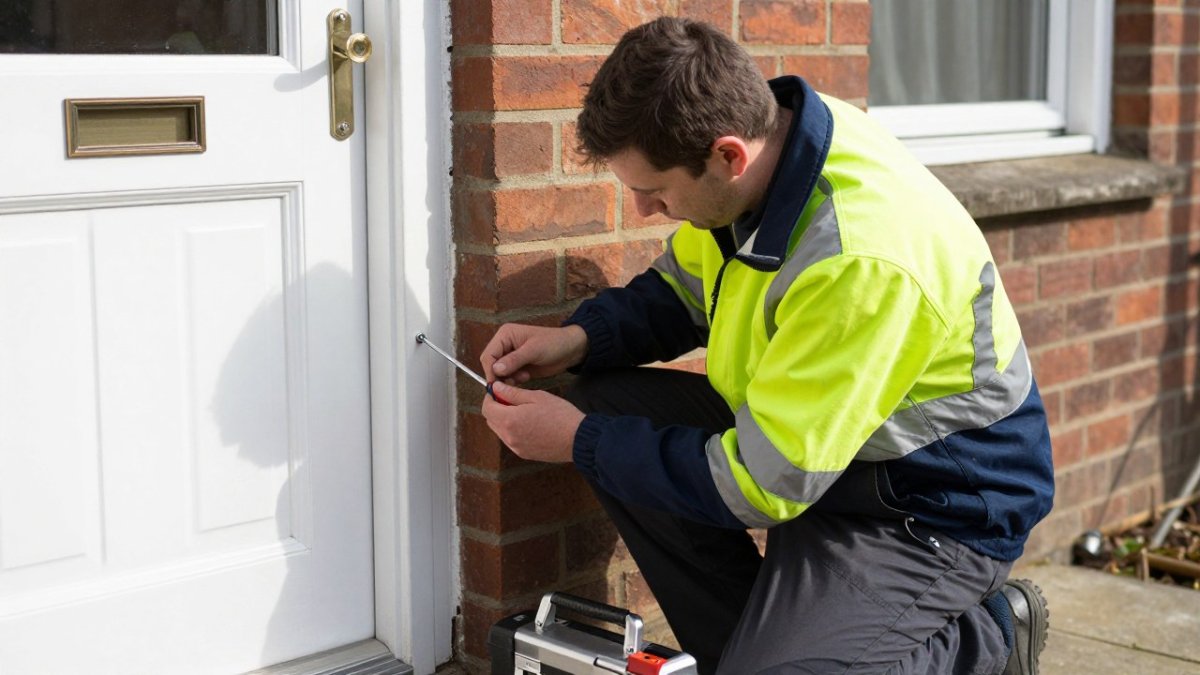
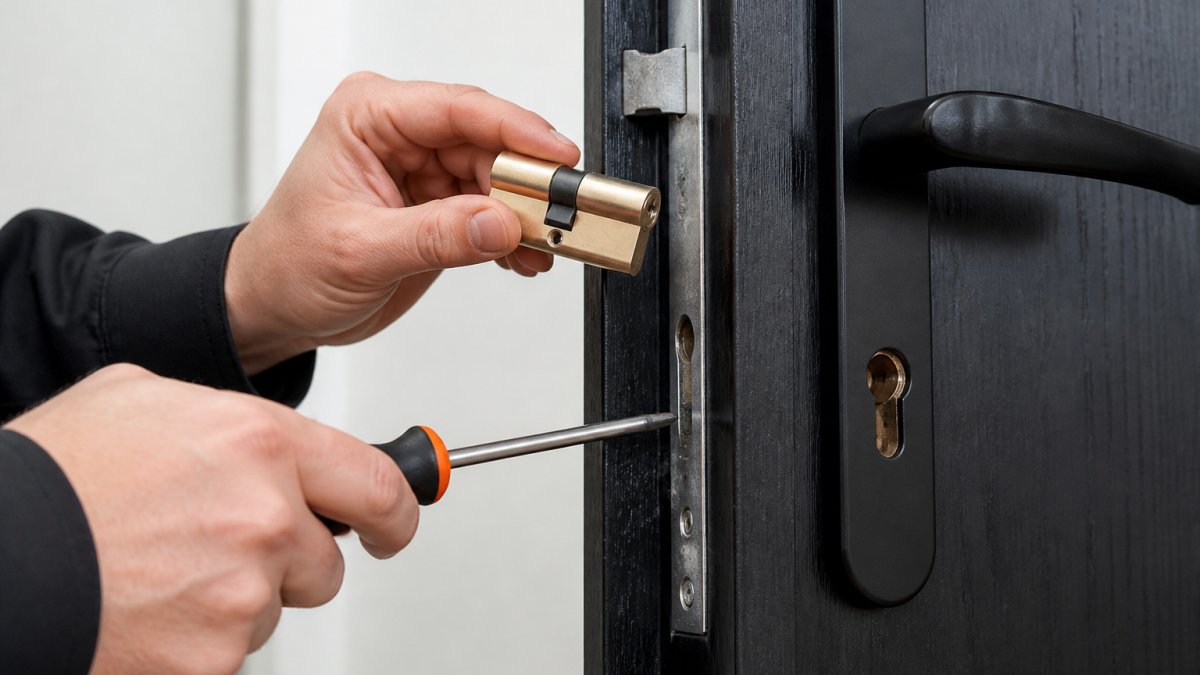
Locate the small retaining screw on the inside of the door, near the lock handle. This screw holds the cylinder in place. Using your screwdriver, turn it anticlockwise until it's loose enough to remove by hand. Don't force it; if it's stuck, apply a small amount of penetrating oil and wait a few minutes.
Once the screw is out, grasp the cylinder firmly and pull it straight out towards you. It should slide out smoothly. If it resists, check that the screw is fully removed and try again. Never twist or force the cylinder, as this can damage the door's internal mechanism.
Keep the screw in a safe place. You'll need it to secure your new cylinder.
Step-by-Step Process to Change Your Euro Cylinder Lock
Changing your euro cylinder lock takes about 10 to 15 minutes once you're familiar with the process. Follow these steps carefully to avoid mistakes.
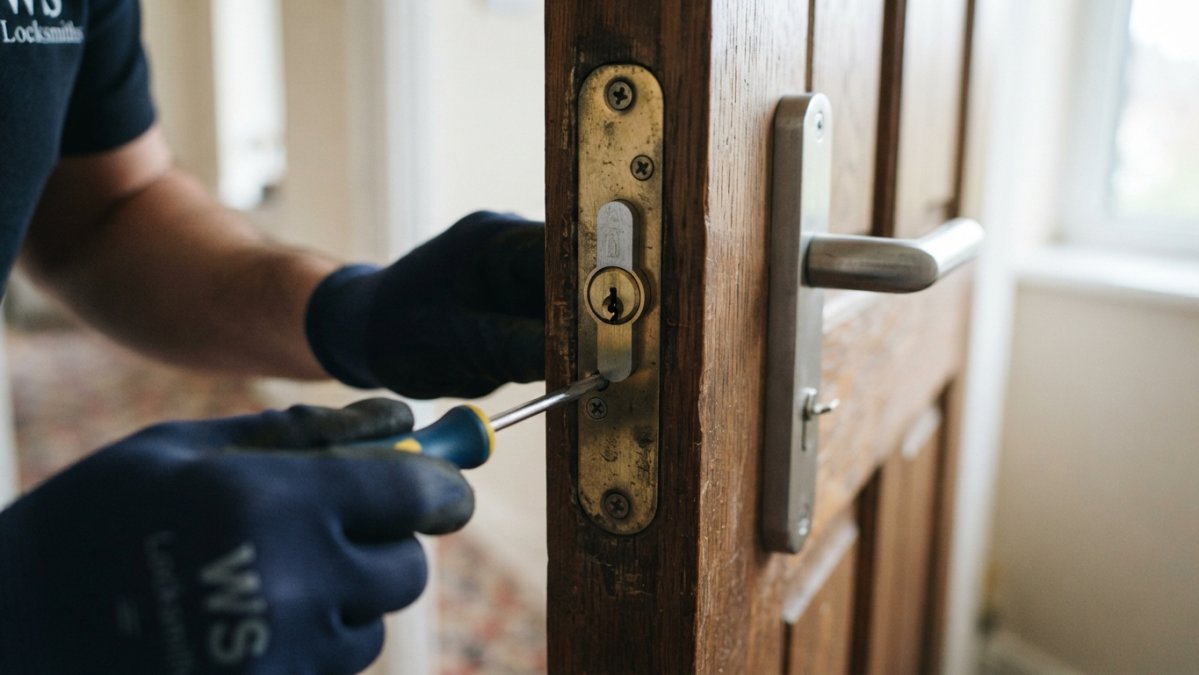
Step 1: Locate and access the lock
Find the retaining screw on the inside of your door, just behind the lock handle. You may need a torch to see it clearly, especially in dim lighting. The screw is usually small and sits horizontally across the cylinder's body.
Call us 24/7: +44 77321 89721 →
Step 2: Remove the retaining screw
Using your screwdriver, turn the retaining screw anticlockwise. Turn slowly and steadily. If the screw is tight or stuck, don't force it. Apply a little penetrating oil, wait a few minutes, then try again. Once loose, remove it completely and set it aside safely.
Step 3: Extract the old cylinder
Grip the cylinder firmly with your hand and pull it straight towards you. It should slide out smoothly. If it doesn't budge, double-check that the screw is fully removed. Never twist or yank the cylinder, steady, firm pressure works best.
Step 4: Insert the new cylinder
Take your new euro cylinder lock and align it with the hole. Slide it in straight, ensuring it sits flush against the door. The cylinder should slide in as smoothly as the old one came out. If it feels tight, stop and check the alignment. Forcing a misaligned cylinder can damage both the lock and the door.
Step 5: Secure with the retaining screw
Once the new cylinder is in place, insert the retaining screw through the hole and into the cylinder. Turn it clockwise with your screwdriver until it's snug. Don't over-tighten, just firm enough that the cylinder can't wiggle.
Step 6: Test the new lock
Before finishing, test your new lock thoroughly. Insert your key from the outside and turn it both ways. The lock should turn smoothly without grinding or sticking. Try it from the inside as well. Open and close the door several times to ensure everything works properly.
Common Mistakes to Avoid When Changing Your Lock
Many people rush through the process of how to change a euro cylinder lock and run into preventable problems. Knowing what to avoid saves time and frustration.
The biggest mistake is forcing components that don't fit. If the new cylinder won't slide in smoothly, stop immediately. Check the size, alignment, and any obstructions. Forcing a misaligned cylinder damages the door and the lock mechanism.
Another common error is over-tightening the retaining screw. This can crack the cylinder or strip the screw hole. Tighten until snug, then stop. The screw only needs to hold the cylinder in place, not crush it.
Many people also forget to test the lock before declaring the job done. Always test both sides with your key and through a full open-close cycle. Discovering a problem after you've put your tools away is frustrating.
Watch out for mixing up screw sizes. If you're replacing multiple locks, label each screw so you don't accidentally use the wrong one in the wrong door. Some doors have slightly different screw sizes.
Common mistakes:
- Forcing a misaligned cylinder
- Over-tightening the retaining screw
- Skipping the test before finishing
- Using the wrong size cylinder
- Not measuring correctly before buying
When to Call a Professional Locksmith
Some situations call for professional help, even if you're confident with basic lock work. Knowing when to stop and call someone saves money and prevents damage.
If your cylinder won't budge after applying penetrating oil and waiting, stop. Forcing a stuck cylinder risks damaging your door. A professional locksmith has specialised tools and experience to remove stuck cylinders safely.
If you're unsure about your door's lock type or size, call a professional before buying a replacement. Getting the wrong size wastes money and time. A locksmith can measure your door accurately and recommend the right lock for your property.
If your door has a damaged lock mechanism or the cylinder won't sit flush after insertion, professional help prevents further damage. Trying to force a problem lock can crack the door frame or strip internal mechanisms.
If you need upgraded security, such as anti-snap locks for your rental properties, a professional locksmith can advise on the best options. Learn more about Benefits of Installing 3-Star Locks: Security Explained and explore 5 Best Practices for Home Security to understand what protection suits your needs.
At WS Locksmiths, our fully trained and vetted locksmiths handle everything from simple cylinder changes to complex security upgrades. If you're uncomfortable tackling the job yourself or encounter any problems, we're available 24/7 to help. Call us 24/7: +44 77321 89721.
Frequently Asked Questions
How long does it take to change a euro cylinder lock?
Most homeowners can change a euro cylinder lock in 10 to 20 minutes once they have the correct replacement and tools. The process involves locating the retaining screw, removing the old cylinder, and inserting the new one. If you're unfamiliar with the process or encounter resistance, it may take longer. If the lock is stuck or damaged, professional assistance is faster and safer.
Can you change a euro cylinder without changing the handle?
Yes, you can change just the euro cylinder without replacing the entire handle. The cylinder is the part that accepts the key and rotates to unlock the door. The handle remains in place. This is a cost-effective upgrade if your handle is in good condition. However, if your handle is damaged or worn, replacing both components together ensures consistent security and aesthetics.
What should I do if the key won't turn in my euro cylinder lock?
If the key won't turn, the lock may be jammed or damaged. First, try applying a graphite-based lubricant (never oil) to the keyhole and gently working the key back and forth. If this doesn't work, the cylinder may need replacement. Do not force the key, as this can break it inside the lock. If you're unable to remove the cylinder yourself, contact a professional locksmith who has the proper tools and expertise to extract it safely.
How do I know which size euro cylinder to buy?
Measure your euro cylinder from the centre of the keyhole to both the inside and outside edges of the door. The measurement is expressed as two numbers, for example 30/30mm or 35/45mm. Always measure accurately before purchasing a replacement, as cylinders come in various sizes. If you're unsure of your measurements or unable to remove the old cylinder to measure it directly, a professional locksmith can identify the correct size quickly and supply the right replacement.
Changing a euro cylinder lock is manageable for most homeowners, but it requires care and the right approach. If you encounter resistance, uncertainty, or damage during the process, professional support prevents costly mistakes. WS Locksmiths provides expert guidance and swift installation when you need it, ensuring your home stays secure without the stress of DIY complications.