 how-to
Is Emergency Locksmith Covered by Insurance?
Table of Contents
- Does Home Insurance Cover Emergency Locksmith Services?
- Does Contents Insurance Cover Locksmith Fees?
- Understanding Emergency Locksmith Cost and Your Coverage
- Locksmith Coverage After a Break-In: What Insurance Will Pay
- How to Check Your Policy Before Calling an Emergency Locksmith
- What to Do If Your Insurance Doesn't Cover the Locksmith
- Frequently Asked Questions
Last Updated: October 11, 2026
Does Home Insurance Cover Emergency Locksmith Services?
Most home insurance policies don't cover emergency locksmith services as a standard benefit. Your home insurance protects against theft, fire, and damage, not access problems. However, the answer depends on your specific policy and the circumstances that led to needing a locksmith.
If you're locked out of your home, that's typically not covered. Your insurer sees a lockout as your responsibility, not a covered loss. But if a break-in forced you to call a locksmith for emergency repairs, the situation changes. Understanding your policy beforehand saves stress when you're already in crisis mode.
The key distinction is whether the locksmith call results from damage or loss covered by your policy. A lockout alone won't trigger cover. Forced entry damage, stolen keys, or security repairs after a break-in might. Your policy wording determines the final answer.
Does Contents Insurance Cover Locksmith Fees?
Contents insurance covers your belongings, not your home's structure or security systems. Emergency locksmith fees fall outside typical contents coverage because they're a service cost, not a damaged item.
However, contents policies sometimes include accidental damage cover. If you accidentally damage your lock through your own actions, this add-on might help. Most standard contents policies won't cover:
- Lockouts (your own error)
- Lost or misplaced keys
- Wear and tear on locks
- Routine lock maintenance
The distinction matters. Contents insurance reimburses you for stolen or damaged belongings. It doesn't reimburse service calls for access problems. If your lock was damaged during a break-in, your home insurance (not contents) would handle that claim.
Check your policy documents for any specific coverage related to security systems or lock damage. Some insurers offer optional add-ons for home security improvements, but these rarely cover emergency service fees.
Understanding Emergency Locksmith Cost and Your Coverage
Emergency locksmith costs vary based on the situation. A simple lockout costs less than forced entry repairs after a break-in. Time of day matters too, calling at 2 AM on a Sunday typically costs more than a daytime visit.
When considering insurance coverage, understand what you're actually claiming:
- Lockout service only: Usually not covered by any insurance
- Lock damage repair: Covered by home insurance if the damage resulted from an insured event (like a break-in)
- Lock replacement: Covered if the original lock was damaged by theft or attempted theft
- Security upgrades: Rarely covered, though some insurers offer discounts for high-security locks
Your insurer will ask specific questions. They want to know how the lock was damaged, when it happened, and whether it involved criminal activity. A lockout caused by lost keys is your problem. A lock damaged during a burglary is theirs.
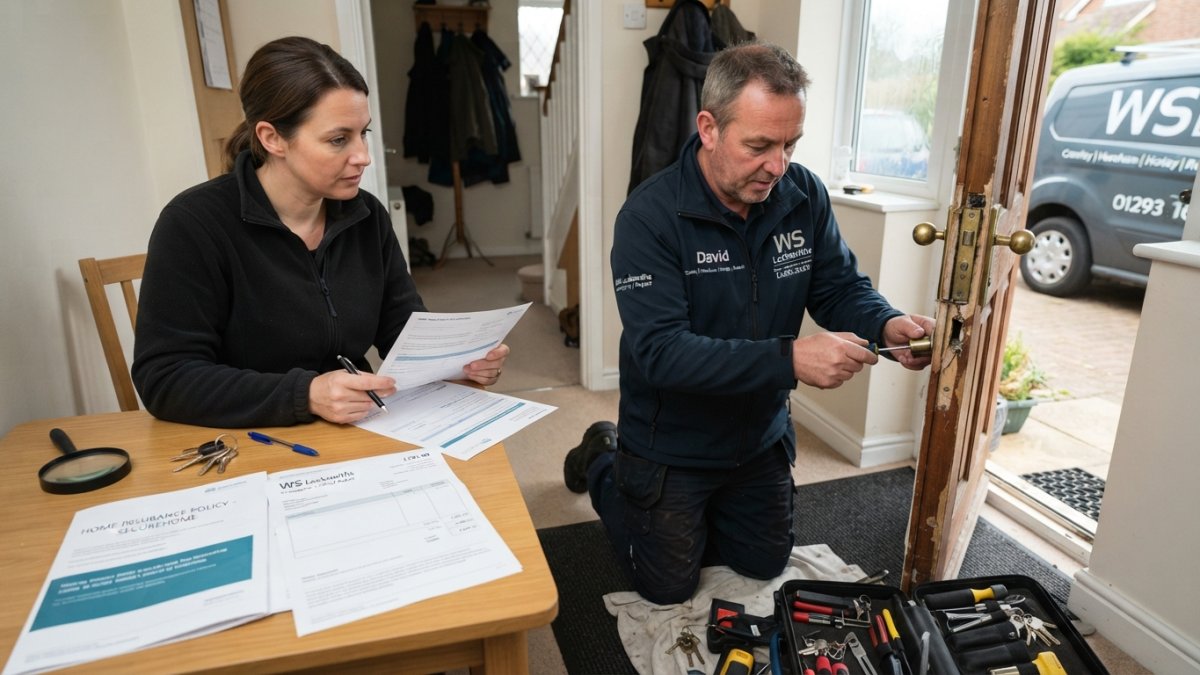
Some insurers require you to obtain quotes or use approved contractors. Getting approval first can mean the difference between a covered claim and an out-of-pocket expense.
Locksmith Coverage After a Break-In: What Insurance Will Pay
A break-in changes everything. If someone forced entry through your lock, your home insurance should cover the damage. This is where is emergency locksmith covered by insurance becomes a genuine yes, but only for repairs directly related to the break-in.
Your insurer will typically cover:
- Lock replacement if forced entry damaged it
- Emergency boarding or temporary security measures
- Professional locksmith fees for emergency repairs
- Additional locks or security upgrades if recommended by police or your insurer
What they won't cover:
- Locksmith fees for other reasons (lost keys, accidental damage you caused)
- Cosmetic upgrades beyond what's needed for security
- Routine maintenance on locks that still function
After a break-in, document everything. Take photos of the damaged lock and entry point. Get a written quote from your locksmith before work begins. Keep all receipts and invoices. Your insurer will want proof that the work was necessary and reasonably priced.
Many insurers have preferred contractors or networks. Using an approved locksmith can speed up the claims process. If you call an emergency locksmith first (which makes sense at 3 AM), notify your insurer immediately afterward with all the details and invoices.
Call us 24/7: +44 77321 89721 →
How to Check Your Policy Before Calling an Emergency Locksmith
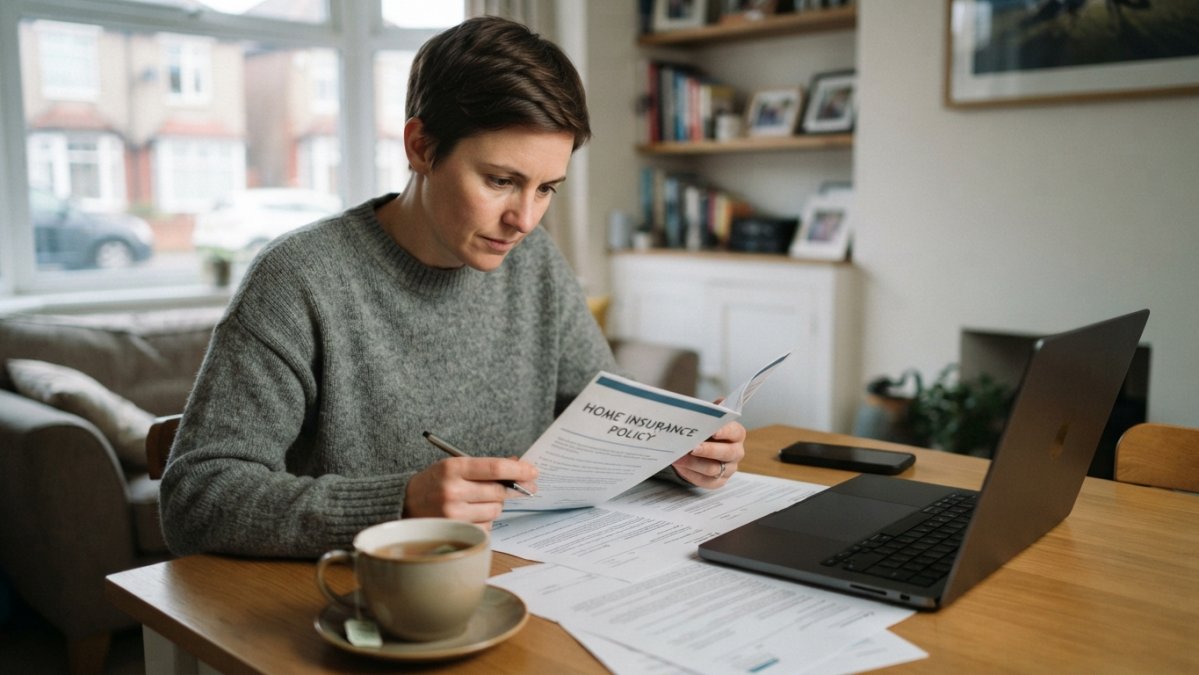
Don't wait until you're locked out to read your policy. Spend 15 minutes now understanding what your insurance actually covers.
Start by finding your policy documents. Most insurers provide them online through your account portal. Look for sections titled "Coverage," "What We Cover," or "Exclusions." Search for these specific terms:
- Lock or locks
- Security
- Burglary or break-in
- Emergency services
- Locksmith
Read the exact wording. Insurance policies use precise language. "We cover damage caused by forced entry" is different from "We cover locksmith services." One might apply to your situation, the other won't.
Check whether your policy requires you to use specific contractors. Some insurers have approved networks. Using someone outside the network might mean lower reimbursement or no coverage at all.
Call your insurer's claims line before you call a locksmith. Explain the situation. Ask specifically: "Will you cover the cost of a locksmith for this situation?" Get a reference number and the name of the person you spoke with. This protects you if there's a dispute later.
Ask about your excess or deductible. Even if your insurer covers locksmith fees, you might need to pay the first £250 or £500 yourself. Knowing this upfront helps you decide whether to claim.
What to Do If Your Insurance Doesn't Cover the Locksmith
If your insurer won't cover the cost, you have options. First, don't panic. Emergency locksmith fees are a one-time expense, not a monthly bill.
Consider these steps:
- Get a quote first. Before agreeing to any work, ask the locksmith for a written quote. This lets you decide whether the cost is worth paying out of pocket.
- Ask about payment plans. Some locksmiths offer payment arrangements for larger jobs like lock replacement after a break-in.
- Prevent future lockouts. Once you've resolved the immediate problem, invest in prevention. A spare key left with a trusted neighbour costs nothing and prevents future lockouts.
- Upgrade your security. If the locksmith recommends a high-security lock, consider it an investment in prevention rather than an insurance issue. Better locks reduce break-in risk.
- Review your policy annually. When your insurance renews, ask about cover options. Some insurers offer add-ons for home security that might include locksmith coverage.
If a break-in forced the locksmith call but your insurer denies the claim, ask why. Request the specific policy section they're citing. If you disagree, you can escalate the complaint through the Financial Ombudsman Service, which handles insurance disputes in the UK (Insurance). The Financial Ombudsman Service guidance on complaints explains your rights.
For future emergencies, WS Locksmiths is available 24/7. We handle lockouts, break-in repairs, and security upgrades. Our fully trained and vetted locksmiths arrive quickly and provide honest quotes upfront. Call us on +44 77321 89721 whenever you need emergency access or security repairs.
Emergency locksmith fees are frustrating, especially when you're already stressed by a lockout or break-in. Understanding whether is emergency locksmith covered by insurance before the crisis happens gives you clarity and control. Most standard policies won't cover lockouts, but break-in repairs usually are covered. Check your policy wording now, know your excess, and keep your insurer's contact details handy. When you do need emergency help, WS Locksmiths provides fast, reliable service with fully trained locksmiths ready 24/7. We'll give you a clear quote upfront so there are no surprises.
Frequently Asked Questions
Does home insurance cover emergency locksmith costs?
Most standard home insurance policies do not cover emergency locksmith callouts for simple lockouts. However, some buildings insurance policies may cover lock replacement or repair if damage occurs during a break-in. Check your specific policy wording or contact your insurer directly to confirm what's included. Many policies exclude lockout situations unless they result from theft or attempted theft.
Will contents insurance pay for a locksmith after a break-in?
Contents insurance typically covers damage to your belongings but not locksmith fees for lock repair or replacement. However, if a break-in damages your locks, some policies may cover the cost of replacing locks as part of security improvements following a claim. Always inform your insurer about the break-in and ask specifically whether lock replacement costs are covered under your claim.
What should I check in my policy before calling an emergency locksmith?
Review your policy documents for clauses mentioning lockouts, emergency access, lock damage, or security repairs. Look for any exclusions or conditions that apply. Check whether your insurer requires you to use an approved tradesperson or whether you can claim reimbursement for any locksmith. Note any excess you must pay. If unclear, ring your insurer before incurring costs so you know whether the expense will be covered.
Will making a locksmith claim affect my no-claims discount?
Whether a locksmith claim impacts your no-claims discount depends on your insurer and policy terms. Some insurers treat lockout claims differently from theft or damage claims. A simple lockout claim may not affect your discount, but a claim following a break-in might. Contact your insurer before making a claim to understand how it will affect your renewal premium and no-claims protection.