 how-to
Is It Legal to Change Locks on a Rental Property?
Table of Contents
- Why the Question of Changing Locks on a Rental Property Matters
- Can Tenants Change the Locks Without Permission?
- Can a Landlord Change the Locks on a Rental Property?
- Tenant Locked Out by Landlord: What to Do Next
- Who Pays for Changing Locks in a Rental Property?
- Emergencies, Domestic Abuse and Insurance Considerations
- Booking a Lock Change the Right Way for Your Rental
- Frequently Asked Questions
Last Updated: November 14, 2026
Why the Question of Changing Locks on a Rental Property Matters
Is it legal to change locks on rental property?
A lock change done without thought can leave a tenant locked out, a landlord facing a claim for unlawful eviction, or a rented home with no spare key.
This guide from WS Locksmiths explains where the law stands, what each side can and cannot do, and what to do when things go wrong.
Can Tenants Change the Locks Without Permission?
Tenants generally cannot change the locks without the landlord's agreement. Most tenancy agreements say so directly, and a request to change the locks made without consent may breach the tenancy.
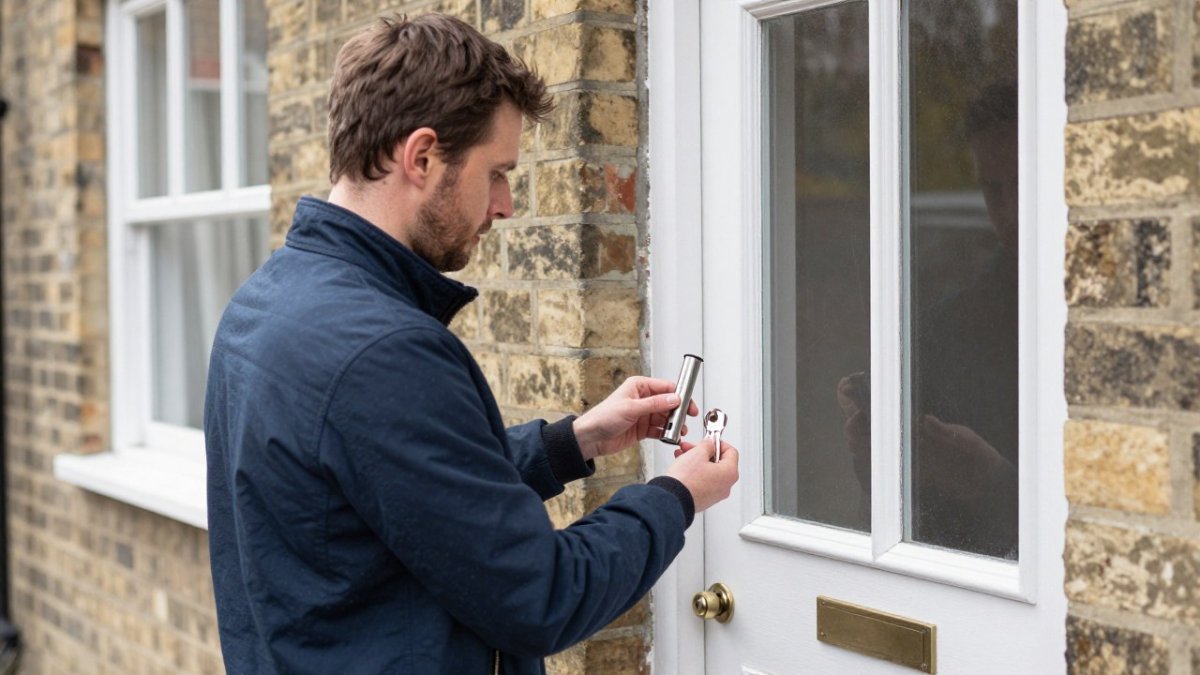
A tenant who wants extra security usually has better options than a unilateral change. The most practical steps are:
- Ask the landlord in writing for permission to fit a new lock
- Offer to pay for the work and provide the landlord with a copy of the new key
- Agree in writing how the original lock will be restored at the end of the tenancy
Whether landlord consent is required
In most cases, yes. Consent protects both sides: the landlord keeps the right to enter for lawful reasons, and the tenant keeps the right to feel secure.
A common mistake is assuming a small change is harmless. Even replacing a single cylinder can stop the landlord getting in for a gas safety check or an emergency repair.
Returning keys and restoring the original locks
If a tenant changes a lock with consent, the agreement should cover the end of the tenancy: usually the original lock is refitted, or a copy of the new key is handed over.
Can a Landlord Change the Locks on a Rental Property?
A landlord can change the locks, but this is a much more serious step than many people expect. See what the law says about landlord access and door locks. In general, a landlord should not change the locks while a tenant is living in the property and has not left.
Landlord access and the tenant's right to quiet enjoyment
Tenants have a right to quiet enjoyment, meaning they can live in the home without unreasonable interference from the landlord. This right is part of most tenancies in England and Wales.
Landlords do have access rights for repairs, inspections and safety checks, but normally need to give reasonable notice and enter at a reasonable time, usually at least 24 hours' written notice, except in an emergency (Private renting: Your rights and responsibilities).
Check the exact notice period in your tenancy agreement and the rules for your part of the UK, as they vary between England, Wales, Scotland and Northern Ireland.
Why changing locks can amount to illegal eviction
Changing the locks to remove a tenant is a form of eviction, and in England and Wales it is generally unlawful. Changing the locks to remove a tenant without a court order is generally unlawful, and the law on this is set out in the Protection from Eviction Act 1977 (Private renting for tenants: evictions in England: Harassment and illegal evictions).
- A landlord must use the court process to recover possession
- Changing the locks without a court order can expose the landlord to criminal and civil action
- A tenant locked out this way may be able to claim compensation
GOV.UK guidance on evictions and possession
Tenant Locked Out by Landlord: What to Do Next
If you have been locked out by your landlord, act quickly. Stay calm, and do not try to force your way in, as this can make things harder to resolve.
- Contact the landlord in writing and ask for access straight away
- Keep a record of the date, time and any messages or photos
- Contact your local council's housing team or a housing advice service
- Seek urgent legal advice if you think you have been illegally evicted
- Call a locksmith only if the lock has been changed without a court order and you have been advised it is safe to act
Many tenants in this situation can get help the same day. A local council or advice charity can explain your options and whether emergency action is needed.
Who Pays for Changing Locks in a Rental Property?
Who pays depends on who asked for the change and why. As a general rule, the person who requests a lock change for their own benefit should expect to pay, but the answer depends on the lock type, the reason and what the tenancy agreement says about repairs and reinstatement.
The default position
- If a tenant asks to change a lock for extra security or convenience, the tenant often pays
- If the landlord needs to change a lock for a repair, a safety upgrade or after a break-in, the landlord usually pays
- If a lock fails through normal wear and tear, the landlord is generally responsible for repairs under the implied repairing covenant in most assured shorthold tenancies in England and Wales
Check the tenancy agreement and any repair clauses. A clause that says the tenant must keep the property in good repair does not usually override the landlord's duty to fix fair wear and tear.
Replacement versus rekeying
A full lock replacement is not always necessary. A locksmith can often rekey the existing cylinder so old keys no longer work, which is cheaper and avoids damaging the door or frame. Find out whether a lock can be rekeyed without the original key. Rekeying is common after a tenant loses keys or ends a relationship, because it restores security without changing the hardware.
- Rekeying is often a less involved option than a full replacement
- Replacement is needed if the lock is damaged, the door has been forced or the cylinder is not compatible with rekeying
- Keep the original lock if you may need to refit it at the end of the tenancy
Typical cost ranges
Pricing depends on the lock type, the time of call and the work involved. For current prices or a quote for your job, contact WS Locksmiths directly.
Ask what is included in writing, including any additional keys or a return visit to refit the original lock at the end of the tenancy.
Who bears the cost at the end of the tenancy
If a tenant changed a lock with consent and agreed to restore the original, the cost of refitting is usually the tenant's. If the landlord asked for the change, the landlord normally pays for the change and any reinstatement. Put this in the written agreement.
Reinstatement and damage
If a lock change damages the door, frame or existing hardware, the person who arranged the work is usually responsible for putting it right.
For a current quote on your job, including rekeying, replacement and refitting the original lock at the end of a tenancy, contact WS Locksmiths.
The table below sets out who is usually responsible for paying, depending on the situation.
| Situation | Usually pays | Note |
|---|---|---|
| Tenant requests extra security | Tenant | Often pays for the work and provides a copy of the key |
| Landlord needs a lock change for repair or safety | Landlord | Landlord normally pays for the change and reinstatement |
| Lock fails through normal wear and tear | Landlord | Landlord is generally responsible under the implied repairing covenant |
| Tenant changed lock with consent | Tenant | Cost of refitting the original lock at the end of the tenancy |
| Rekeying after lost keys | Depends on cause | Check the tenancy agreement and who requested the change |
Emergencies, Domestic Abuse and Insurance Considerations
Some situations do not wait for a formal process. If you are at risk of harm, call 999 first. If you need urgent help with a home that has been made unsafe, the Domestic Abuse Helpline can help you plan a safe move and secure your access.
Emergency lock changes where there is a credible threat
If there is a credible threat, stalking or domestic abuse, safety comes before paperwork. A tenant may need the locks changed the same day, sometimes without the landlord's prior consent.
- Call 999 if you are in immediate danger
- Contact the Domestic Abuse Helpline for confidential advice and safety planning
- Tell the landlord or agent as soon as it is safe to do so, in writing, and explain why the change was urgent
Watch out: changing the locks without telling the landlord can breach the tenancy even where the reason is genuine, so document the urgency and seek advice from a housing solicitor or advice service as soon as possible.
What to do if the landlord refuses consent or access is disputed
If the landlord refuses consent for a lock change, or there is a dispute about access, a clear paper trail matters. A common pattern is:
- Put the request in writing, explaining the reason and offering to pay and provide a key
- Set a reasonable deadline for a reply
- If consent is refused, ask for the refusal in writing and the reason
- Seek advice from a local council housing team, Citizens Advice or a housing solicitor
- Use the formal complaints process in the tenancy agreement or the landlord's complaints procedure
If the dispute is about access for repairs or safety checks, the landlord still has to follow the notice rules in the tenancy agreement and the law. Do not withhold access unreasonably, as that can give the landlord grounds to take action.
Insurance conditions
Many landlord and contents policies have conditions about keys and locks. A lock change done without notice, or a lost key that is not reported, may affect a claim. Tell your insurer if you have changed or lost keys, and keep the receipt. Check whether the policy requires a certain lock standard, and whether a claim could be affected if the lock was not fitted by a qualified tradesperson.
Fire safety and emergency access
Locks should not stop people leaving in an emergency. Ask a qualified locksmith about locks that open from the inside without a key, and how they meet local fire safety rules. In a flat or house in multiple occupation, the landlord may have specific fire safety duties, and a lock change should not interfere with escape routes or fire doors.
Keeping records
Keep a simple record of any emergency lock change: the date, the reason, who did the work, the receipt and any messages with the landlord or advice service. This is useful if the tenancy ends in dispute or an insurer asks for evidence.
Booking a Lock Change the Right Way for Your Rental
Before you book any lock work on a rental property, get written permission from the landlord or agent.
At WS Locksmiths, we offer 24/7 emergency callouts and work on residential and commercial properties across Crawley, Horsham, Horley and Redhill. Our locksmiths are fully trained and vetted.
For a quote on a lock change or an emergency callout, call us 24/7 on +44 77321 89721.
Frequently Asked Questions
Can a tenant legally change the locks on a rental property?
In England and Wales a tenant can change the locks, but most tenancy agreements require written landlord consent first, and the tenancy agreement usually also says the tenant must give the landlord a copy of any new key. Changing locks without permission may breach the tenancy and give the landlord grounds to seek repairs or deduct costs from a deposit. Scotland and Northern Ireland have separate rules, so check the tenancy terms and local guidance before acting.
Can a landlord change the locks while a tenant is still living in the property?
No. A landlord who changes the locks while a tenant still lives in the property can be guilty of unlawful eviction in England and Wales, as set out in the relevant legislation. The tenant's right to live in the property and enjoy it quietly is protected. A landlord who needs access should give proper notice and use a lawful route, such as a court order for possession, rather than removing the tenant's access.
Who pays for changing locks in a rental property?
It depends on why the locks are being changed. If the tenant changes them without permission, the tenant may be responsible for the cost and for restoring the original locks. If the lock needs replacing because of wear, a fault or a break-in not caused by the tenant, the landlord usually pays as part of their repair obligations. Costs vary with the lock type and the work involved, so get a written quote from a locksmith before agreeing who pays. Pricing depends on the job, so contact WS Locksmiths for a current quote.
What should a tenant do if a landlord changes the locks?
A tenant locked out by a landlord should first contact the landlord in writing, keep copies of messages and the tenancy agreement, and photograph the lock and entrance. If the lockout is unlawful, the tenant can contact the local council housing team, a Citizens Advice office or a solicitor, and may be able to apply to court for an order to be let back in. In an emergency, such as when a tenant is locked out at night, a locksmith can gain entry safely, and the record of the attendance can support any later claim.