 ultimate-guide
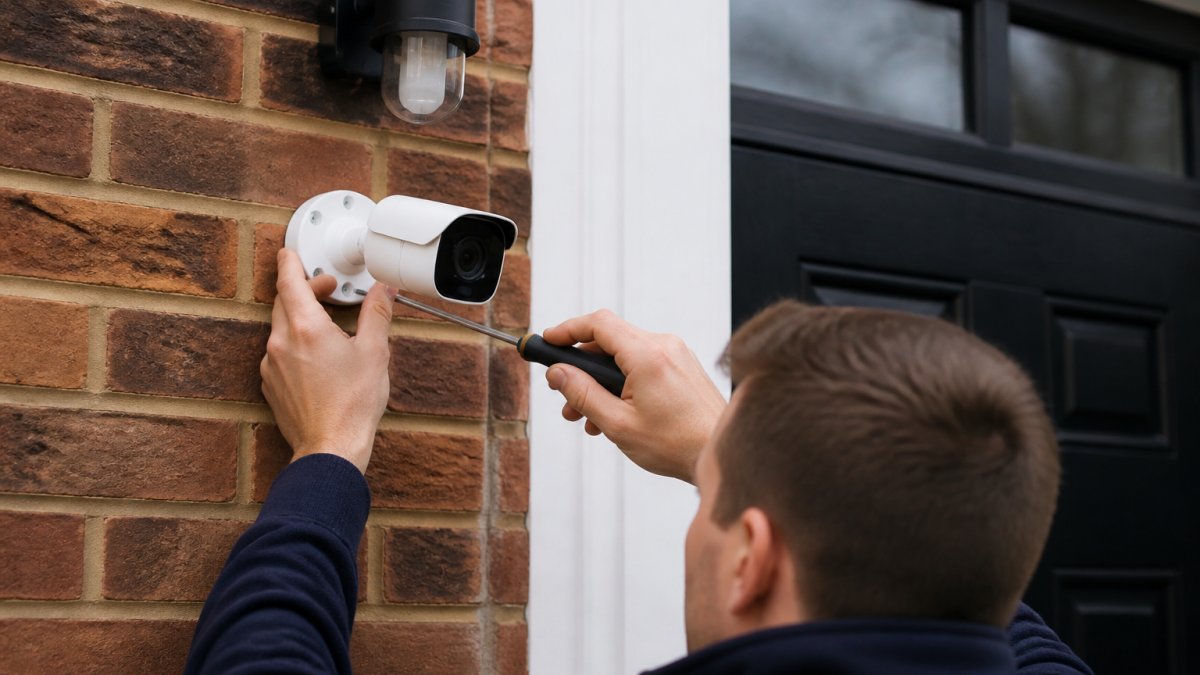
Residential Security Upgrade Tips 2026
Table of Contents
- Why Residential Security Upgrades Matter Now
- Why Do Door Locks Jam and How to Prevent It
- Best British Standard Locks for Front Doors
- Signs Your Door Lock Needs Replacing
- Smart Locks and Emerging Security Technologies
- Professional Locksmith Security Audit: What to Expect
- Security Assessment Checklist for Your Home
- Frequently Asked Questions
Last Updated: September 30, 2026
Why Residential Security Upgrades Matter Now
Your front door lock is the first line of defence against unauthorised entry. Yet many homeowners don't give their locks a second thought until something goes wrong, a key snaps, a cylinder jams, or worse, a break-in forces an emergency repair.
The reality is that residential security upgrades have become essential, not optional. Older locks deteriorate, newer threats emerge, and the technology available to protect your home has advanced significantly. A timely security upgrade can prevent costly damage and offer genuine peace of mind.
A residential security upgrade isn't just about replacing a broken lock. It's about assessing your entire entry point strategy, understanding what protection you actually need, and implementing solutions that work for your specific property. This guide walks you through the key considerations, common problems, and practical steps to upgrade your home's security effectively.
Why Do Door Locks Jam and How to Prevent It
Door locks jam when internal components wear out, misalign, or accumulate debris. The most common culprit is a cylinder that's been exposed to weather, dust, and repeated use without maintenance. Over time, the pins inside the lock wear down or the keyway becomes obstructed, making the key difficult to turn or impossible to insert fully.
Moisture is another major factor. If your front door faces rain or humidity, water can seep into the lock mechanism and cause internal corrosion. This is particularly true for older locks without proper weather sealing. Salt air, if you're near coastal areas, accelerates this process significantly.
Prevention starts with basic maintenance. Regularly cleaning your lock with a dry cloth removes surface dust. A small amount of graphite powder (not oil-based lubricant, which attracts dirt) can keep the keyway smooth. If your key feels sticky or requires extra force, address it immediately rather than forcing it, forcing a sticky key often breaks it and leaves fragments inside the lock, requiring professional extraction.
Temperature fluctuations also affect locks. Metal expands and contracts with heat and cold. In winter, condensation can form inside the mechanism. In summer, direct sunlight can warp components. Choosing locks designed for your climate and installing them with proper weather protection makes a measurable difference.
Best British Standard Locks for Front Doors
British Standard locks are the foundation of any residential security upgrade. BS 3621 is the standard that matters most for front doors, it specifies minimum security requirements including anti-pick, anti-snap, and anti-bump protection.
An anti-snap cylinder is essential. Snap attacks, where a burglar breaks the cylinder barrel and manipulates the lock from outside, have become common enough that they're now a primary security concern. BS 3621 locks include a sacrificial section that breaks cleanly if attacked, leaving the lock in a secure state. This is not optional for modern front doors.
Look for locks with a minimum 5-pin or 6-pin configuration. More pins mean more combinations and greater resistance to picking. The lock body should be solid brass or hardened steel, not cheap pot metal that corrodes quickly. Stainless steel or nickel-plated finishes resist weathering better than painted options.
Mortice locks (also called mortice locks) are the standard for wooden front doors. They're installed by routing a pocket into the door edge and offer excellent security when fitted correctly. Rim locks are an alternative for doors where mortice installation isn't practical, though they're less common in modern homes.
For the cylinder itself, look for those with a hardened steel anti-drill plate. Drill attacks target the cylinder directly, so this protection is genuine value. A quality cylinder from a recognised manufacturer can offer long-term durability with minimal maintenance.
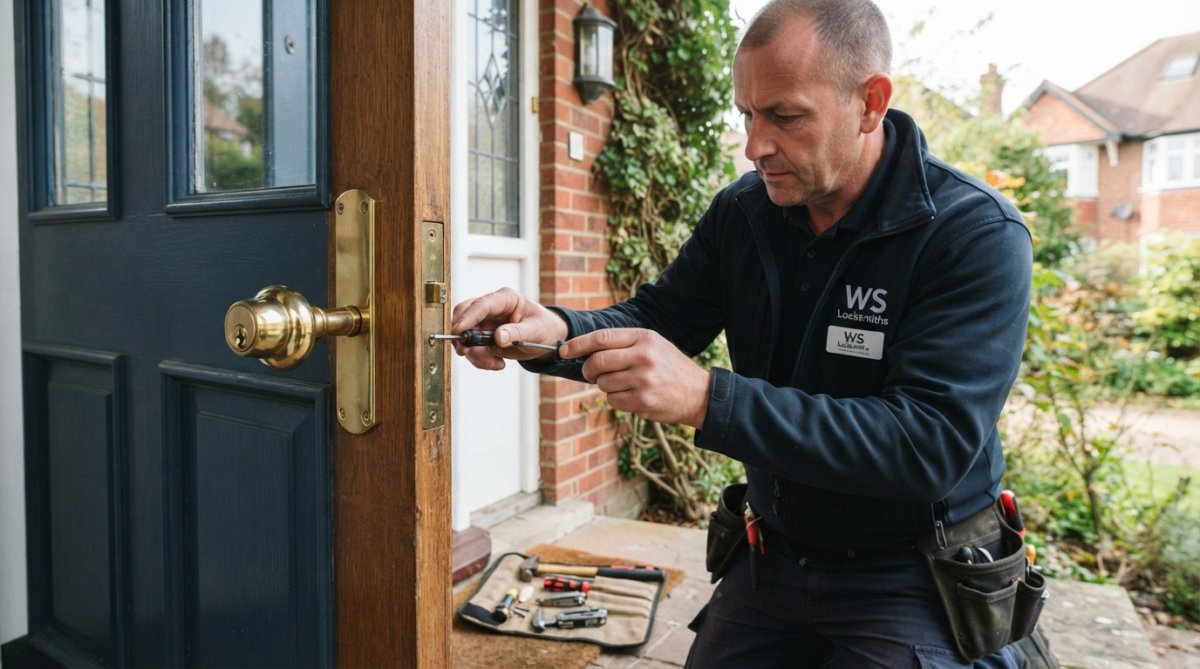
The difference between a basic lock and a BS 3621 certified one is substantial. Basic locks may offer less resistance to attack. A proper BS 3621 lock provides reliable security and resists common break-in techniques more effectively.
Signs Your Door Lock Needs Replacing
A lock that's starting to fail sends clear signals. If your key requires excessive force to turn, the lock is wearing out. The internal pins are either sticking or the cylinder is misaligned. Forcing it will eventually break the key or snap the cylinder.
Visible rust or corrosion on the lock body is a warning sign. Surface rust can be cleaned, but if rust has penetrated the mechanism itself, replacement is inevitable. Corrosion spreads internally, eventually seizing the lock completely.
Call us 24/7: +44 77321 89721 →
If the key turns freely but doesn't engage the bolt properly, the internal mechanism has failed.
Smart Locks and Emerging Security Technologies
Smart locks are becoming more common in residential security upgrades, though they're not right for every situation. A smart lock adds convenience, keyless entry, remote access, audit trails of who entered when, but it also introduces new considerations.
Professional Locksmith Security Audit: What to Expect
A professional security audit examines your entire entry point strategy, not just individual locks. A qualified locksmith will assess your front door, back doors, windows with locks, and any other entry points. They'll evaluate the door frame, hinges, and surrounding structure, a weak frame defeats even the strongest lock.
Security Assessment Checklist for Your Home
Use this checklist to evaluate your current security and identify upgrade priorities:
Front Door and Entry
- Front door lock is BS 3621 certified
- Lock is less than 15 years old
- Cylinder has anti-snap protection
- Key turns smoothly without sticking
- Door frame shows no cracks or damage
- Strike plate is properly installed with long screws
- Door hinges are on the inside
- Door closes and locks securely without forcing
Back Doors and Side Doors
- All external doors have functioning locks
- Locks meet the same standard as the front door
- Doors are solid wood or metal, not hollow-core
- Door frames are in good condition
- Back doors are not hidden from street view (or are well-lit)
General Security
- All external lights are working
- Bushes and trees near doors are trimmed (no hiding places)
- Letterbox doesn't allow hand access to internal locks
- Door chains or secondary locks are installed
- You have a record of which keys you've given out
Windows with Locks
- Ground-floor windows have working locks
- Window locks are in good condition
- Windows are not easily accessible from fences or nearby structures
Documentation
- You have a record of your lock types and ages
- Keys are not labelled with your address
- You know which contractor or previous owner has copies of your keys
Frequently Asked Questions
What are the most effective home security upgrades for 2026?
The most effective upgrades combine hardware and technology. Install British Standard BS 3621 locks on all external doors, upgrade to anti-snap cylinders to prevent break-ins, add door reinforcement plates, and consider smart locks with remote access. Many homeowners also benefit from security lighting and a professional locksmith security audit to identify weak points specific to their property.
How often should I upgrade my residential door locks?
Replace locks immediately if they show signs of wear, damage, or after a break-in. For standard use without damage, inspect locks annually. If your locks are over 10 years old, upgrading to modern British Standard locks significantly improves security. After a lockout or repair, have a fully trained locksmith assess whether replacement is needed or if repair will restore full function.
Are smart locks worth the investment for home security?
Smart locks add convenience and monitoring capabilities, but they work best as part of a layered approach. They allow remote access, activity logs, and integration with other smart home systems. However, they depend on power and connectivity. The strongest security comes from combining a high-quality mechanical lock (British Standard BS 3621) with smart features, not replacing traditional locks entirely.
How do I know if my current door locks are vulnerable?
Signs of vulnerability include locks over 10 years old, visible wear or stiffness, non-standard cylinders, or locks that aren't British Standard BS 3621 certified. Snap-prone cylinders (protruding more than 5mm beyond the door) are a major weakness. A professional locksmith security audit will identify specific vulnerabilities in your locks and doors, then recommend targeted upgrades that match your property's actual risk level.
What should I expect from a professional locksmith security audit?
A security audit includes inspection of all external locks, door frames, hinges, and entry points. The locksmith assesses lock quality, identifies wear or damage, tests functionality, and checks for vulnerabilities like snap-prone cylinders or weak frames. You'll receive prioritised recommendations, what to upgrade first, what can wait, and why. This focuses spending on genuine security gaps.
Why do door locks jam and can I fix this myself?
Locks jam from dirt, rust, misalignment, or worn internal components. Light jamming may respond to silicone-based lubricant (never WD-40, which attracts dirt). However, persistent jamming usually signals internal wear requiring professional attention. A locksmith can identify whether the lock needs cleaning, adjustment, or replacement. Attempting to force a jammed lock risks damaging the mechanism further, making professional assessment worthwhile.