 blog
7 Ways to Prevent House Lockouts
Last Updated: October 22, 2026
Quick Summary
You can prevent house lockouts by keeping a spare key with a trusted neighbour or in a secure key safe, installing a smart lock for keyless entry, and maintaining your lock regularly with silicone-based lubricant every 3-6 months. Developing a consistent key management routine and creating an emergency contact list further reduce the risk of being locked out.
- Store spare keys separately from your main set with a trusted contact or in a wall-mounted key safe, never under mats or plant pots
- Smart locks eliminate lockouts by providing keyless entry via smartphone, keypad code, or biometric recognition with battery life of 6-12 months
- Lubricate your lock every 3-6 months with silicone-based lubricant and test your key regularly to prevent jamming and sticking
- Designate one consistent spot in your home for keys and check it before leaving to avoid accidental lockouts
- Keep an emergency contact list including a locksmith, family member with a spare key, and your landlord if renting
Table of Contents
- Why House Lockouts Happen and How to Stop Them
- Where to Keep a Spare House Key Safely
- Install Smart Locks to Prevent Lockouts
- Regular Door Lock Maintenance Stops Jams and Sticking
- Create a Trusted Contact List for Emergencies
- Develop a Key Management Routine
- What to Do If Locked Out of Your House
- Frequently Asked Questions
Why House Lockouts Happen and How to Stop Them
Getting locked out of your home is one of the most frustrating experiences a homeowner can face. You're stood outside in the cold, searching your pockets for keys that aren't there. Whether you've misplaced your keys, left them inside by accident, or your lock has jammed, a house lockout disrupts your day and creates a genuine security concern.
At WS Locksmiths, we've responded to many lockout calls across our local area. The pattern is clear: most lockouts are preventable. They happen because people don't plan ahead or maintain their locks properly. The good news is that you can avoid this stress entirely with straightforward precautions.
This guide covers seven practical ways to prevent house lockouts. We'll walk you through where to store spare keys safely, how smart locks eliminate the problem altogether, and what to do if you're already locked out. These strategies work for homeowners of all ages and situations.
Where to Keep a Spare House Key Safely
The most obvious solution to prevent house lockouts is keeping a spare key somewhere accessible. The challenge is finding a location that's secure enough to keep burglars out but easy enough for you to reach in an emergency.
A spare key hidden under a mat or in a plant pot is the first place thieves look. These common hiding spots defeat the purpose entirely. Instead, consider these safer options:
- Give a key to a trusted neighbour or family member who lives nearby and can hand it over quickly
- Store a key in a small lockbox mounted in a discreet location away from your front door
- Use a key safe (a small wall-mounted box with a combination code) installed in an inconspicuous spot
- Keep a spare at your workplace in a secure drawer if you work outside the home
- Leave a key with a close friend you see regularly, rather than storing it at home
The key principle here is separation. Don't keep all your keys in one place. If your main set is locked inside, your backup needs to be genuinely separate and genuinely secure.
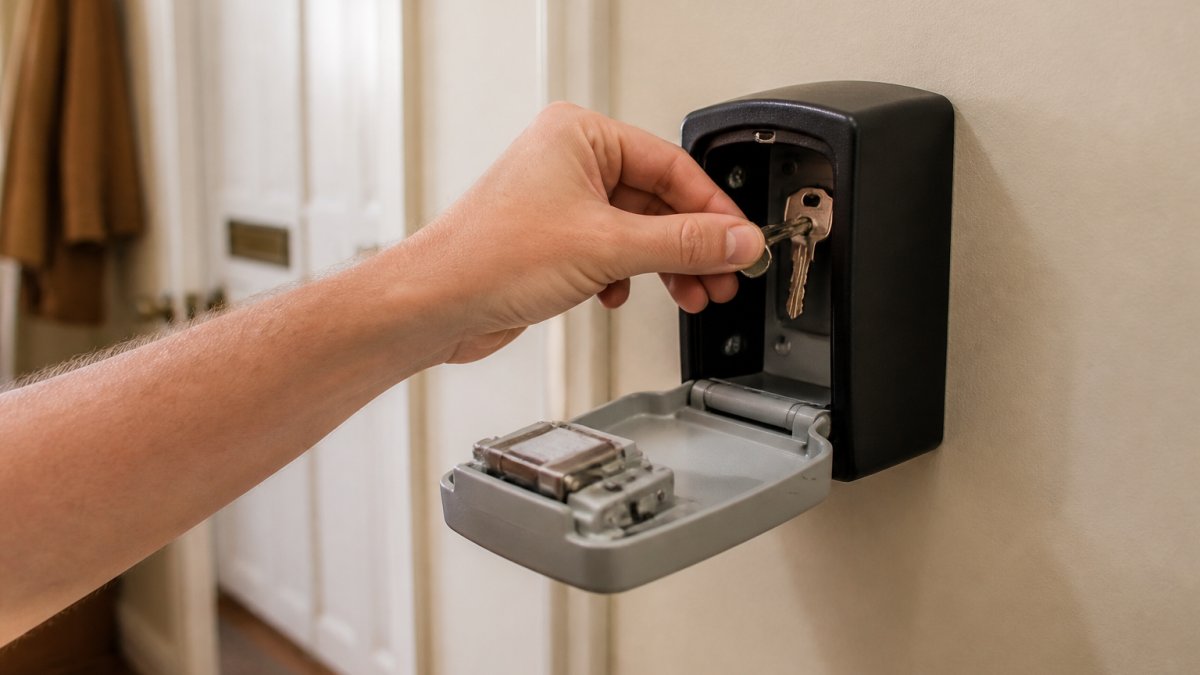
Many people worry about giving keys to others. A trusted contact should be someone you've known for years, not a casual acquaintance. Make sure they understand the seriousness of keeping your key safe and agree to hand it over only to you or someone you've specifically authorised.
Install Smart Locks to Prevent Lockouts
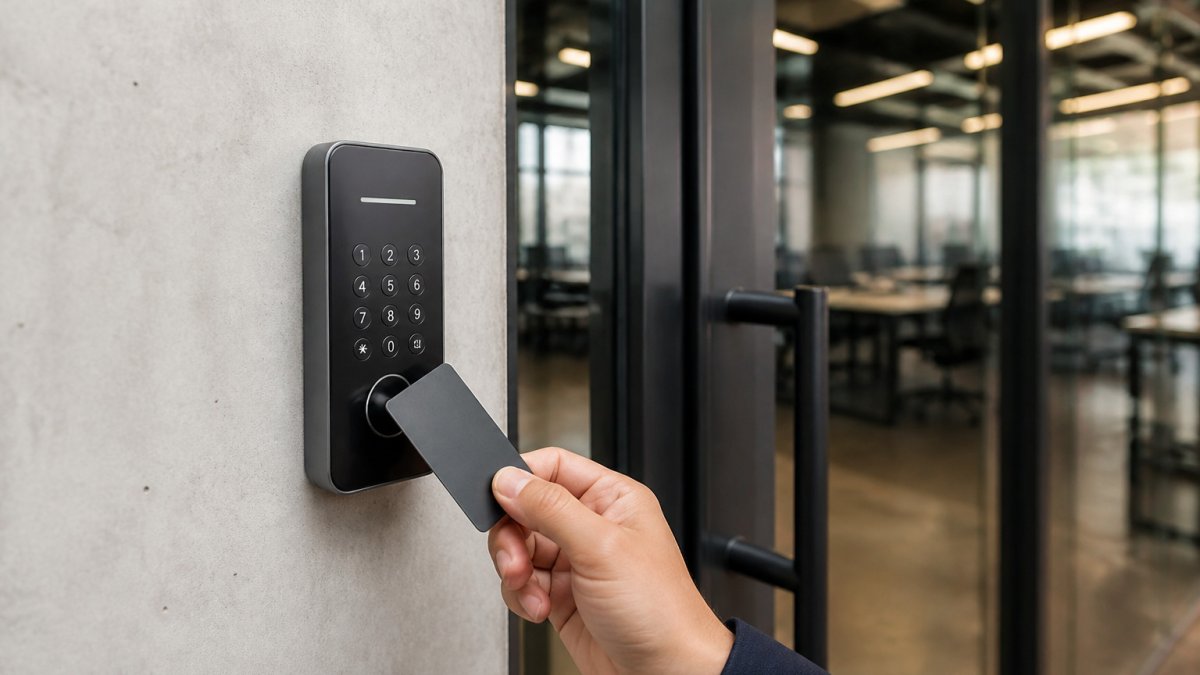
Smart locks represent the most effective modern solution to prevent house lockouts entirely. These devices eliminate the need for physical keys altogether, which means you can't accidentally lock them inside.
Smart locks work by letting you unlock your door using your smartphone, a keypad code, or biometric recognition (fingerprint or face). When you approach your home, your phone sends a signal to the lock and it opens automatically. No keys required.
The main advantages of smart locks for preventing lockouts include:
- Keyless entry means you can't forget or lose physical keys
- Remote access lets you unlock the door from anywhere if someone else needs to get in
- Temporary codes can be created for guests, cleaners, or emergency services without sharing a permanent key
- Activity logs show you exactly when the door was locked or unlocked
- Battery backup ensures the lock still works if the power fails
Smart locks do require batteries (usually lasting 6-12 months) and a compatible smartphone or keypad. Installation is straightforward for most models, though some people prefer professional fitting to ensure it's done correctly.
If you're considering upgrading to a smart lock, WS Locksmiths can advise on options for your property and handle professional installation. We ensure the lock is fitted securely and functions properly from day one.
Regular Door Lock Maintenance Stops Jams and Sticking
Many lockouts aren't caused by lost keys at all. They happen because the lock itself has stopped working properly. A stiff lock that won't turn, or one that jams halfway through, can leave you stranded outside.
Regular maintenance prevents these mechanical failures. Locks accumulate dirt, dust, and moisture over time. This buildup causes the internal pins to stick and the key to become difficult to turn.
Maintenance tasks you can do yourself include:
- Lubricate the lock using a silicone-based lubricant (not WD-40, which attracts dust) every 3-6 months
- Clean around the keyhole to remove visible debris and dust
- Test your key regularly to make sure it turns smoothly without resistance
- Check the door frame for signs of warping or damage that might affect lock alignment
- Inspect the lock housing for rust or corrosion, especially on external doors
If your key sticks or turns with difficulty, don't force it. Forcing a stiff lock can break the key inside, which creates a much bigger problem. Instead, apply lubricant and work the key gently back and forth until it moves freely.
Some locks develop problems that DIY maintenance can't fix. If your lock continues to jam after lubrication, or if the key won't turn at all, you need professional help. WS Locksmiths can repair or replace damaged locks before they leave you locked out. We carry many locks and can fit them quickly.
Call us 24/7: +44 77321 89721 →
Create a Trusted Contact List for Emergencies
Even with preventative measures in place, lockouts can still happen. Having a list of trusted contacts ready means you won't waste time searching for help when you're stressed and locked outside.
Your emergency contact list should include:
- A family member or close friend who has a spare key and lives nearby
- Your workplace contact if you keep a spare key there
- A professional locksmith who can reach you quickly in an emergency
- Your landlord or property manager if you rent (they may have a master key)
- A trusted neighbour who can help in a pinch
Keep this list somewhere accessible. Store it in your phone, write it down and keep it in your wallet, or email it to yourself so you can access it from any device. Don't rely on memory alone. Stress and panic make it easy to forget phone numbers.
When choosing a locksmith, pick one now before you need them. Don't wait until you're locked out to start searching online. WS Locksmiths offers 24/7 emergency lockout assistance across our local area. Our fully trained and vetted locksmiths respond quickly, arrive with the right tools, and get you back inside without unnecessary damage to your door or lock.
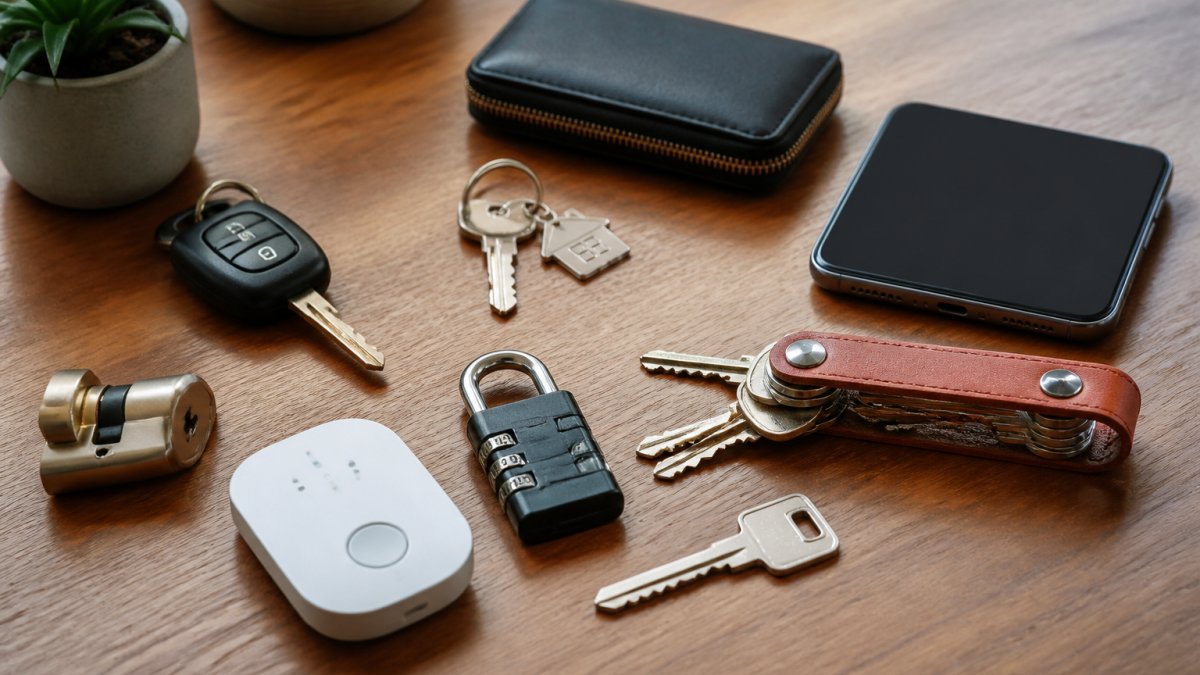
Develop a Key Management Routine
Most lockouts stem from disorganisation rather than bad luck. People lose keys because they don't have a consistent system for managing them. Developing a routine prevents this.
A simple key management system works like this:
- Designate one spot in your home where keys always go when you arrive home (a hook by the door, a small dish on a shelf, a drawer)
- Use the same spot every single time without exception, even if you're only popping inside for a moment
- Check that spot before you leave to confirm you have your keys
- Keep a spare key in a separate location (not the same spot as your daily keys)
- Use a keyring or tag that makes your keys easy to spot and harder to lose
This routine sounds simple because it is. The effectiveness comes from consistency. Your brain learns the pattern, and checking for keys becomes automatic before you leave the house.
If you live with others, make sure everyone in the household follows the same system. A partner or family member leaving without their keys can lock everyone out just as easily. Discuss the routine together and agree to stick to it.
What to Do If Locked Out of Your House
Despite your best efforts, you might still find yourself locked out. Knowing what to do in that moment reduces panic and gets you back inside faster.
First, check every possible entry point. Sometimes a window or side door is unlocked when the front door isn't. Don't force anything or break glass unless it's a genuine emergency. Forced entry damages your property and can trigger security alarms.
Next, call someone from your emergency contact list. If a family member or friend has a spare key, they might be able to reach you quickly. This is the fastest and cheapest solution.
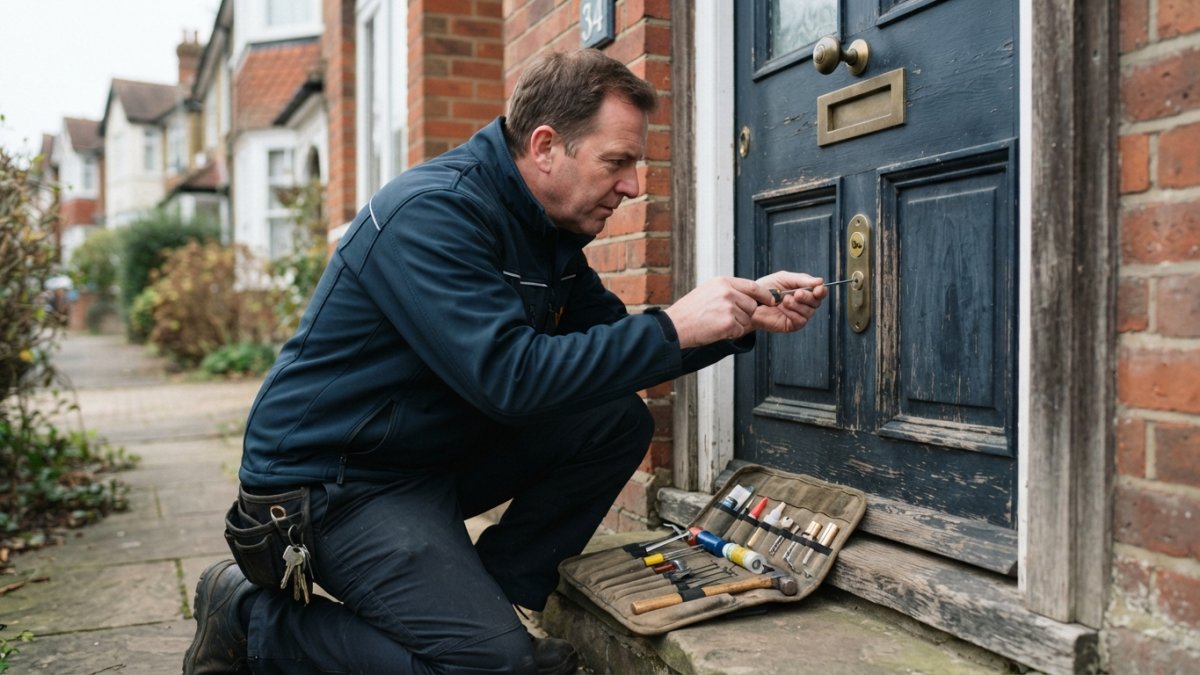
If no one is available, contact a professional locksmith. WS Locksmiths responds to emergency lockouts 24 hours a day, seven days a week, including weekends and bank holidays. When you call, we'll ask for proof of residency to confirm you actually live there. Our fully trained and vetted locksmiths arrive with the right tools and can unlock most doors without causing damage.
Don't attempt to pick your own lock unless you have genuine experience. Lock picking requires specific tools and skill. Attempting it without experience often damages the lock, creating a more expensive repair.
While you wait for help, stay calm and stay in a safe location. If you're locked out in bad weather, wait inside a nearby shop or café rather than standing on the street. Keep your phone charged and keep your emergency contact details close.
Lockouts create real stress and vulnerability. You're stuck outside your own home, unable to access your belongings or reach shelter. But these situations are almost entirely preventable through simple planning and maintenance. Start with one of these strategies today: create a spare key arrangement, schedule smart lock installation, or develop a key management routine. Each step reduces the risk of finding yourself locked out. If you do face an emergency lockout, WS Locksmiths is here to help 24/7.
Frequently Asked Questions
How can I avoid getting locked out of my house?
The most effective ways to prevent house lockouts are keeping a spare key in a secure location, establishing a routine check of your keys before leaving, installing a smart lock with backup access methods, and maintaining your door locks regularly to prevent sticking. Also keep emergency contact numbers for a trusted neighbour or family member who holds a spare key.
Where should I keep a spare house key?
Keep a spare key with a trusted neighbour, family member, or friend rather than hiding it outside. If you must keep one at home, use a secure lockbox or wall-mounted safe, never under doormats or plant pots. Some homeowners use key safes mounted discreetly on their property, accessible only with a code you control.
Can a smart lock help prevent house lockouts?
Yes. Smart locks offer multiple access methods, PIN codes, smartphone apps, biometric recognition, so you're not dependent on a physical key. Many models include temporary access codes for guests or emergency contacts, reducing the risk of being locked out. They also send alerts when doors are locked or unlocked.
What should I do if I am locked out of my house?
Stay calm and check if any doors or windows are unlocked. Contact a trusted neighbour or family member who holds a spare key. If that's not possible, call a professional locksmith immediately, they can gain access safely without damaging your door. Keep a locksmith's contact number saved in your phone for emergencies.