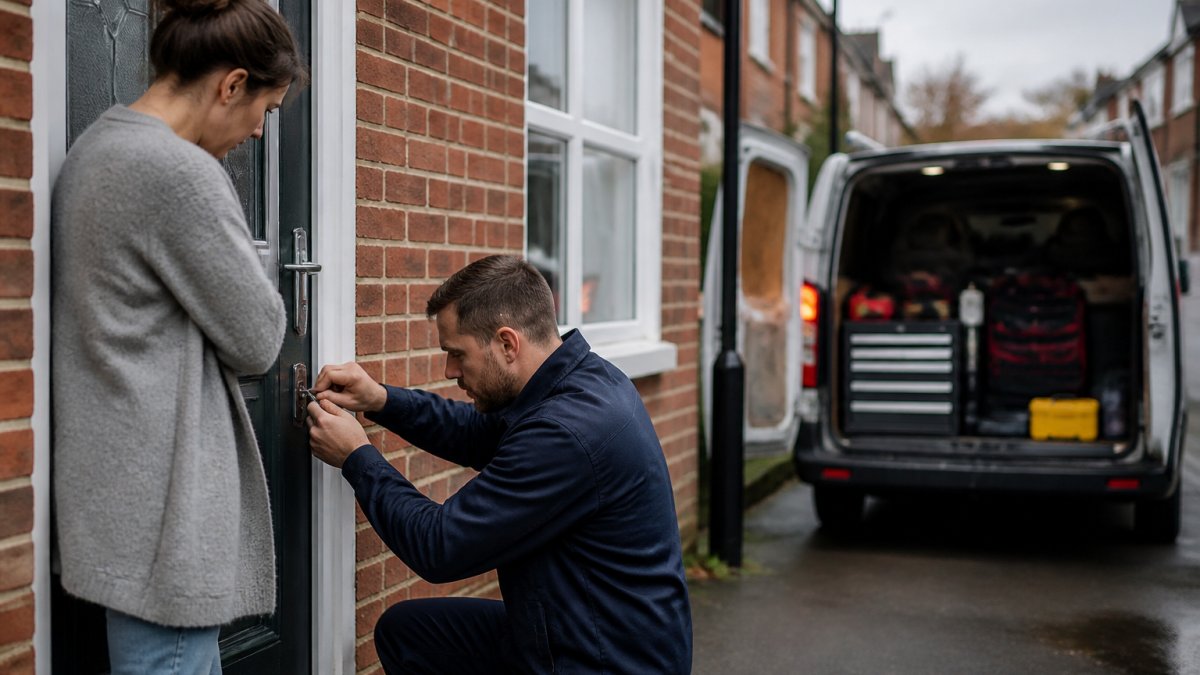
 how-to
Emergency locksmith response time: What to expect
Table of Contents
- What affects emergency locksmith response time
- What to do if locked out of house
- Understanding emergency locksmith call-out cost
- Locksmith security standards BS3621 explained
- How to verify your locksmith is properly trained
- Preparing for a rapid emergency response
- Frequently Asked Questions
Last Updated: October 2, 2026
What affects emergency locksmith response time
Emergency locksmith response time depends on several practical factors that determine how quickly a technician can reach you. The most obvious is distance, a lockout five minutes from the nearest available locksmith takes far less time than one across town. But distance alone doesn't tell the whole story.
Time of day matters significantly. A 2 AM Sunday lockout will take longer than a Wednesday afternoon one, simply because fewer technicians are on shift. Call volume affects availability too. During peak seasons or after severe weather, response times stretch because demand outpaces supply.
The type of lock and property also plays a role. A straightforward residential door lock is quicker to assess than a commercial system with multiple security layers. Some properties are easier to access than others, ground-floor flats respond faster than properties requiring additional security verification.
At WS Locksmiths, our team understands that emergency lockouts create genuine stress, and we've structured our service to minimise waiting time while ensuring we send properly trained technicians who won't cause damage.
What to do if locked out of house
When you're locked out of your house, panic is the natural response. But taking a few deliberate steps dramatically improves the situation and gets you back inside faster.
First, confirm you're actually locked out. Check every accessible door and window, sometimes a secondary entrance is unlocked. This takes five minutes and could save you the call-out entirely. If everything is genuinely secured, move to the next step.
Contact a locksmith immediately. The longer you wait, the later in the day it becomes, and response times increase during evening and night hours. Provide clear information: your exact address, the type of property (flat, house, bungalow), and whether you're locked out of the main entrance or another door. This helps the technician prepare the right tools.
While waiting, stay somewhere safe and warm. If you're outside in poor weather, consider waiting in a nearby café or shop rather than on the street. Provide your mobile number so the locksmith can contact you when they're close.
Verify the locksmith's credentials before they arrive. Ask for their name, vehicle details, and estimated time of arrival. Legitimate locksmiths are transparent about this information. When they arrive, check their ID and ask about their training, this is your right as the customer.
Understanding emergency locksmith call-out cost
Emergency locksmith call-out costs vary based on several factors that determine the service's actual complexity and resource requirements. The time of day is the primary driver, a lockout at 2 AM costs more than one at 2 PM because the technician is working outside standard business hours and may have travelled from further away.
The property type affects cost as well. Residential lockouts typically cost less than commercial ones because commercial systems are more complex and require additional expertise. A simple door lock takes less time than a multi-point security system or electronic lock.
Distance from the locksmith's base affects travel time and fuel costs. A callout five minutes away costs less than one across the region. Some locksmiths charge a fixed call-out fee plus an hourly rate; others charge a flat rate that includes the first hour.
Damage assessment matters too. If your lock is damaged or requires replacement rather than just opening, the cost increases. A straightforward unlock is cheaper than replacing a broken mechanism.
For current pricing from WS Locksmiths, contact us directly at +44 77321 89721 or visit our website for a quote. We can often provide an estimate over the phone before the technician arrives, so you know exactly what to expect.
Locksmith security standards BS3621 explained
BS3621 is the British Standard that defines security requirements for pin tumbler locks used on external doors. Understanding this standard helps you make informed decisions about your home's security, especially after a lockout or break-in.
BS3621 locks must meet strict specifications for resistance to picking, bumping, and forced entry. The standard requires a minimum of six pins in the lock mechanism, anti-pick pins that resist manipulation, and reinforced components that withstand physical attack. A lock carrying the BS3621 kitemark has been independently tested and verified to meet these requirements.
Why this matters: a basic lock might open in seconds under attack, whilst a BS3621-approved lock resists skilled attempts for significantly longer. This difference is measurable and certified, not marketing language.
The standard also covers the installation requirements. Even the best lock fails if fitted incorrectly. BS3621 specifies how the lock must be mounted, the door frame requirements, and the bolt throw distance. A locksmith familiar with this standard ensures your lock is fitted to specification, not just installed.
After a break-in, upgrading to BS3621 locks is a sensible security investment. Your insurance may even offer a discount for meeting this standard. When requesting lock replacements or upgrades, specifically ask for BS3621-approved locks and ensure the technician is familiar with the standard's installation requirements.
British Standards Institution BS3621 specification
Call us 24/7: +44 77321 89721 →
How to verify your locksmith is properly trained
Verifying your locksmith's training protects you from damage, poor workmanship, and potential security risks. Proper training means the technician understands lock mechanisms, can work without causing damage, and knows current security standards.
Ask directly about qualifications. A trained locksmith should be able to name their qualifications. They should mention ongoing training, especially if they work with modern electronic locks or high-security systems. Vague answers about "years of experience" without formal qualifications are a red flag.
Request to see their ID and credentials before they begin work. Legitimate locksmiths carry documentation and aren't offended by this request, they expect it. Check that the name on their ID matches the name given when you booked. Verify they're insured; this protects you if damage occurs.
Ask about their approach to your specific lock. A trained technician asks questions about the lock type, when it was last serviced, and whether you have a spare key. They'll explain what they're doing and why, not just start working in silence. This transparency signals competence.
Check online reviews specifically mentioning professionalism and training. Comments like "knew exactly what they were doing" or "explained everything clearly" indicate a well-trained technician. Conversely, reviews mentioning damage or rough handling suggest inadequate training.
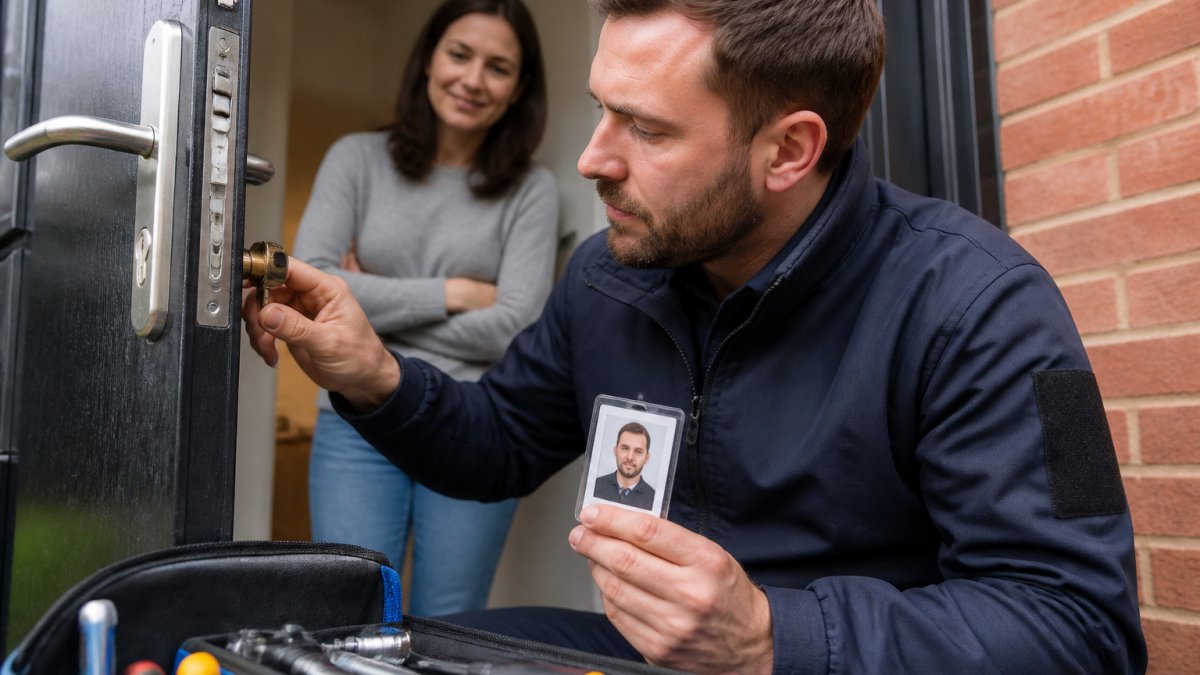
At WS Locksmiths, every technician is fully trained and vetted before attending any callout. We maintain this standard because your security depends on it.
Preparing for a rapid emergency response
When you've called a locksmith and they're on their way, a few preparations can speed up the process and ensure everything runs smoothly.
Have your identification ready. Locksmiths legitimately need to verify you have the right to access the property. A driving licence or passport works perfectly. If you're locked out of a rental property, have your tenancy agreement or landlord's contact details available, the locksmith may need to verify your right to be there.
Clear the area around the lock. If the entrance is cluttered with shoes, bags, or outdoor items, move them. This gives the technician clear access and speeds up the work. If there's a gate or security door, unlock it beforehand so they can reach the main entrance quickly.
Have your mobile number ready to provide to the locksmith. They'll contact you when they're five minutes away so you can meet them. If you're not at home, ensure someone with authority to grant access will be present.
Prepare payment method. Check whether the locksmith accepts card or cash. Having both options available avoids delays if your preferred method isn't accepted. Ask about payment timing, some locksmiths collect payment after the job is complete, others request it upfront.
If you have pets, secure them before the locksmith arrives. An excitable dog jumping at the technician or escaping through an open door creates complications. A calm environment helps everyone work faster.
Document the situation if this is a break-in rather than a simple lockout. Note what's damaged, take photographs, and have this information ready. The locksmith can advise on security upgrades needed, and documentation helps with insurance claims.
Being locked out of your home is stressful, but understanding what to expect from emergency locksmith response time removes some of that uncertainty. Response times depend on distance, time of day, and current demand, factors beyond any locksmith's control. What you can control is choosing a properly trained, vetted professional who prioritises your security and won't cut corners.
WS Locksmiths provides 24/7 emergency locksmith response across the local area.
Frequently Asked Questions
What is the average emergency locksmith response time?
Response times vary depending on the time of day, your location within the service area, and current demand. When you call, ask for an estimated arrival time rather than assuming a specific window. Reliable locksmiths will give you honest timescales based on their current workload.
How much does an emergency locksmith call-out cost?
Emergency locksmith call-out costs depend on several factors: the time of day (nights and weekends typically cost more), the type of lock, whether the door needs repair or replacement, and your location. Rather than guessing, contact your locksmith directly for a quote.
What should I do while waiting for an emergency locksmith?
Stay calm and remain in a safe location. If you're locked out in winter, move to a warm space nearby if possible. Keep your phone charged so the locksmith can reach you. Have your ID ready to prove you live at the property. Avoid attempting to force entry yourself, as this can damage your door and locks, making repairs more expensive. Brief the locksmith on your lock type and any access issues when they arrive.
What does BS3621 mean when choosing locksmith security standards?
BS3621 is a British Standard that sets minimum security requirements for residential locks. It ensures a lock has adequate strength, durability, and resistance to picking and forced entry. When a locksmith recommends BS3621-compliant locks, they're recommending products that meet this established safety benchmark. This standard is particularly important after a break-in or when upgrading security for rental properties, as it provides genuine protection rather than basic locks.